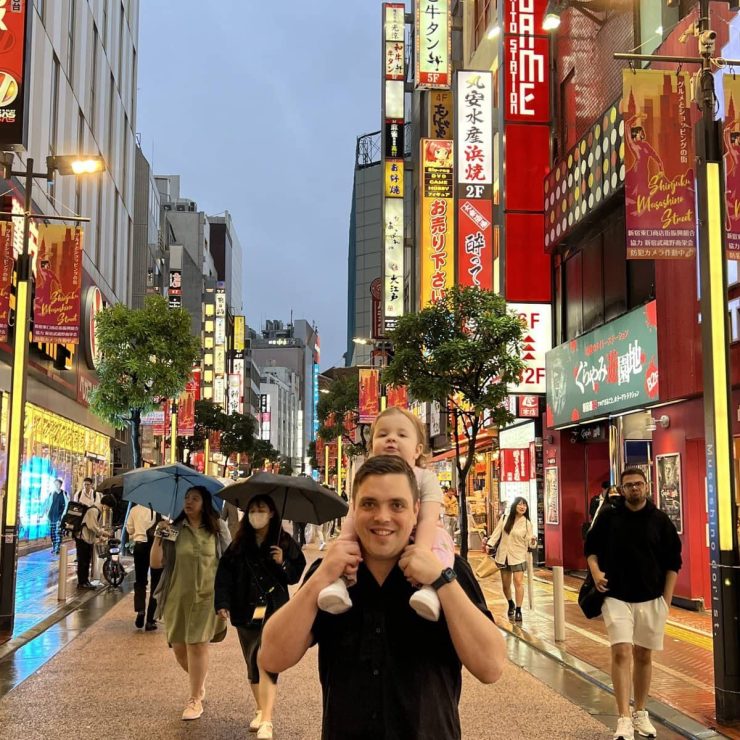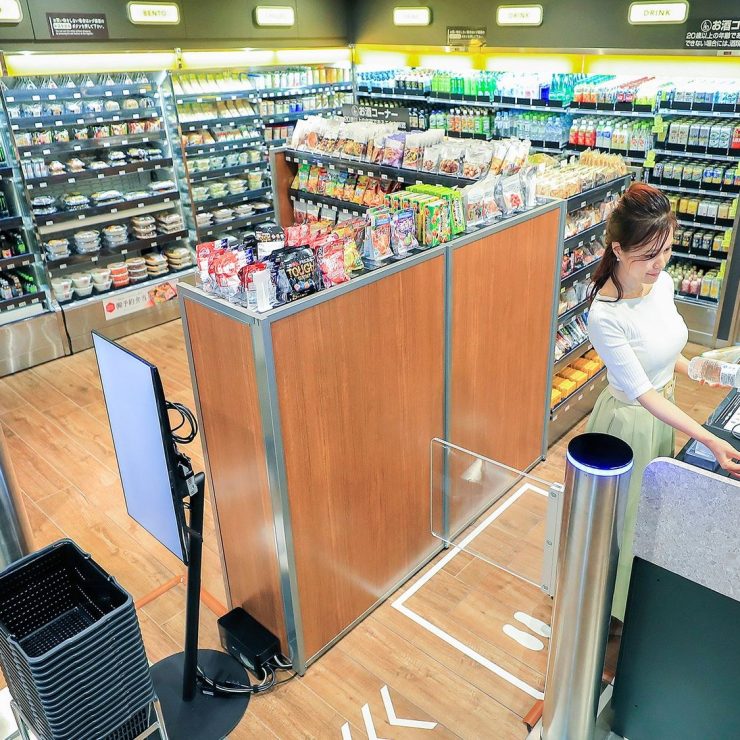

Japan’s consumption tax is 10%, and visitors from abroad do not have to pay it on qualifying purchases — which turns Shinjuku’s department stores and electronics palaces into a quiet sale that runs all year. The system has rules that catch unwary travellers, so here is the complete mechanics: who qualifies, where the counters are, and how to not lose the saving at the airport. 🛍️
🧾 The Rules in One Breath
- You must be a temporary visitor — the tax-free process applies to foreign passport holders staying under six months; your passport goes with you to the counter.
- Minimum ¥5,000 (tax-exclusive) per store per day — purchases must total at least ¥5,000 before tax at one shop on one day; the shop can bundle receipts for some categories.
- Consumables have special rules — food, cosmetics and medicines are sealed in a special bag and must leave Japan with you (or be consumed in-country per the rules); they cannot be used up in your hotel room freely and still be exported.
- General goods (clothes, electronics, crafts) are exempt immediately — no seal, just the discount.
- You show the passport at purchase — the store registers the sale to your passport electronically; keep the passport handy all shopping day.
🏬 Where the Counters Are in Shinjuku
Shinjuku’s retail giants all run tax-free counters — look for the “Tax Free” signage and the passport icon:
| Store type | What to buy tax-free | Notes |
|---|---|---|
| Department stores (Isetan and peers) | Clothing, cosmetics, crafts, food gifts | Dedicated tax-free counters, usually one floor up or down; bundle receipts per day |
| Electronics stores (Yodobashi/Bic Camera class) | Cameras, headphones, appliances, toys | Tax-free desk near the exit; bring passport before paying |
| Drugstores | Cosmetics, medicines (consumables — sealed bag) | Chain drugstores with tax-free signs; ¥5,000 minimum applies |
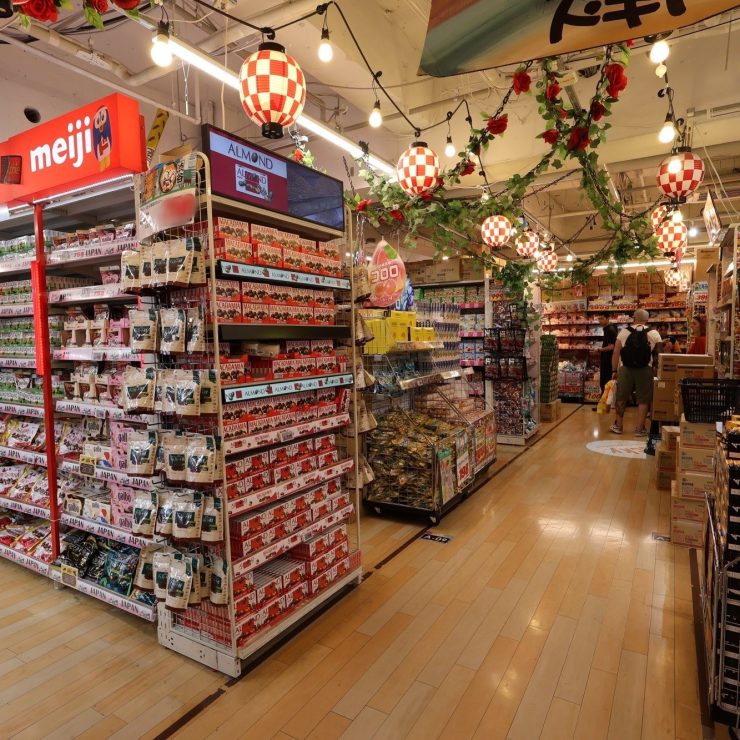
| 돈키호테 | Snacks, souvenirs, sundries | The chaotically wonderful discount palace — strategy in our discount guide |
Isetan is the short ride from the hotel (about five minutes by car or a subway hop); the electronics and drugstore runs sit within the transit radius you already use.
💡 The Strategy That Maximises the Saving
- Plan per store, per day: the ¥5,000 threshold is per store per day — if you are at ¥4,800, add the souvenir you were going to buy tomorrow anyway.
- Do consumables in one sweep: group cosmetics + snacks + medicines at a single drugstore visit so the minimum triggers once.
- Bring the passport, always: tax-free without the passport is not a thing; the hotel safe keeps it between runs (checkout-day shopping: carry it).
- Photograph the paperwork: the receipt and the sealed-bag list matter at departure — a phone photo saves airport confusion.
- Departure-day reality: sealed consumables must remain sealed until you leave Japan; if the snacks tempt you in the hotel room, buy those ones tax-paid instead.
⚖️ What Does Not Qualify
- Meals and drinks consumed in Japan — restaurant dinners, izakaya nights, café coffee are never tax-free (worth it anyway — the izakaya guide).
- Hotel stays and services — accommodation is taxed normally.
- Purchases under ¥5,000 per store per day — the konbini breakfast run stays tax-paid (and is cheap enough not to matter — kitchenette guide).
🧳 Where the Savings Actually Add Up
Realistic wins: cosmetics and skincare (drugstores, 10% off), cameras and audio gear (electronics stores), quality clothing and crafts (department stores), and gift-snack hauls in the sealed consumable bag. For a Shinjuku base, a single day combining one department store and one electronics store routinely saves the price of a nice dinner. The math compounds with the long-stay budget logic.
🧮 Three Worked Baskets
The rules become concrete with examples. Basket one — cosmetics day: two skincare sets and sheet masks at a drugstore, tax-exclusive total just over the ¥5,000 line — consumables, so everything goes into the sealed export bag, unopened until home. Basket two — electronics day: headphones and a camera lens at an electronics store — general goods, exempt on the spot, no sealing, use them freely on the trip. Basket three — the mixed mistake: ¥4,200 of clothing at one store plus ¥3,000 of snacks at another — neither crosses the minimum; add the souvenir T-shirt to the clothing receipt (crossing ¥5,000) and move the snacks to tomorrow’s drugstore run, or pay tax and stay flexible. Same stores, same week — three different optimal plays, all mapped in the rules above. 🧾
❓ Frequently Asked Questions
How much do I need to spend for tax-free?
¥5,000 or more (before tax) per store per day; consumables and general goods each have their own minimums at some stores — ask the counter to bundle.
Do I need my physical passport?
Yes — the store registers the purchase against your passport at the counter; no passport, no exemption.
Can I eat the tax-free snacks before flying home?
Consumables are sealed for export — technically they must leave Japan unopened; anything you plan to enjoy during the trip should be bought tax-paid.
Is tax-free available at Don Quijote and drugstores?
Yes — most major chains run tax-free counters with passport registration; the minimum-spend rule applies the same way.
🛍️ The Bottom Line
Tax-free shopping is Japan’s quiet 10% sale: passport in pocket, ¥5,000 minimums planned per store, consumables sealed and saved for home. Shinjuku’s counters are minutes from the hotel — shop deliberately, save honestly. 🎌