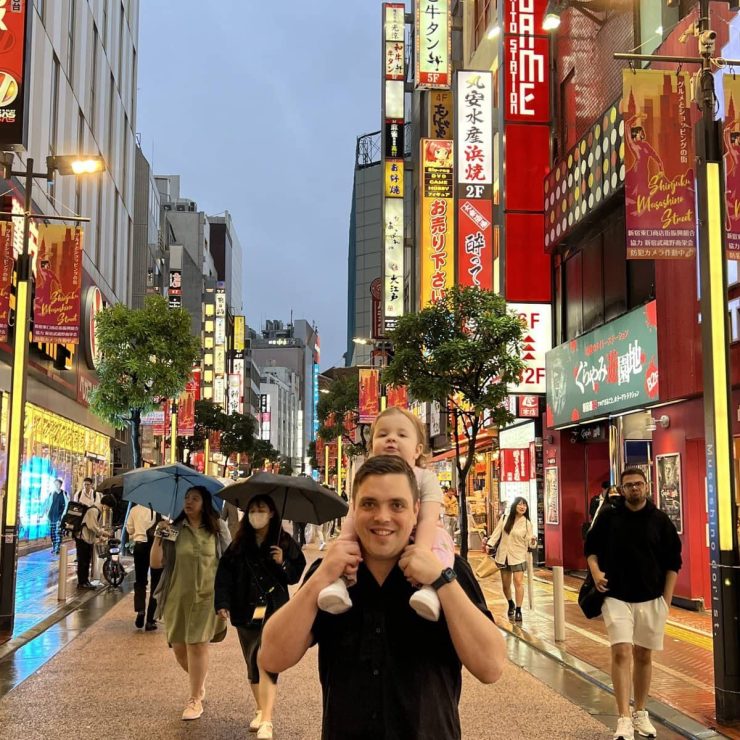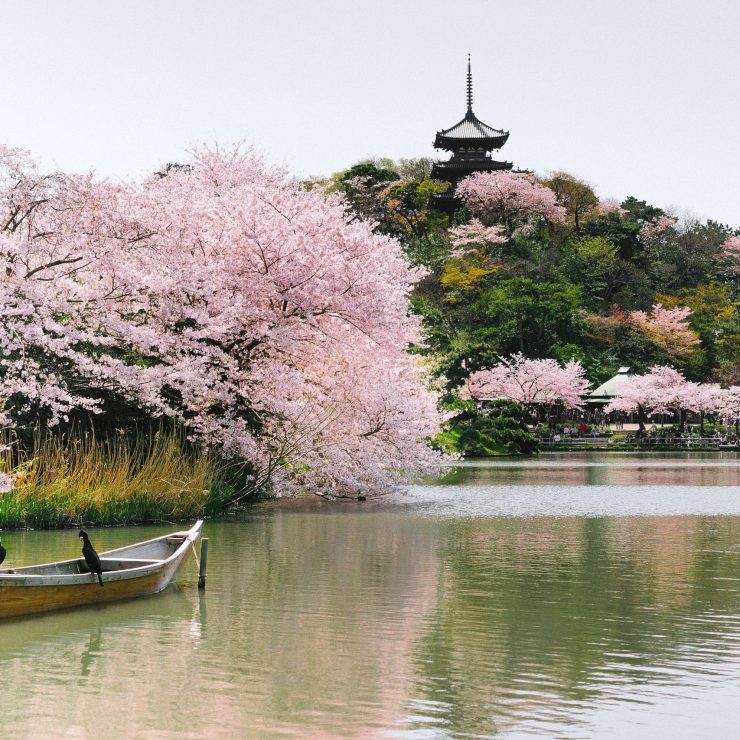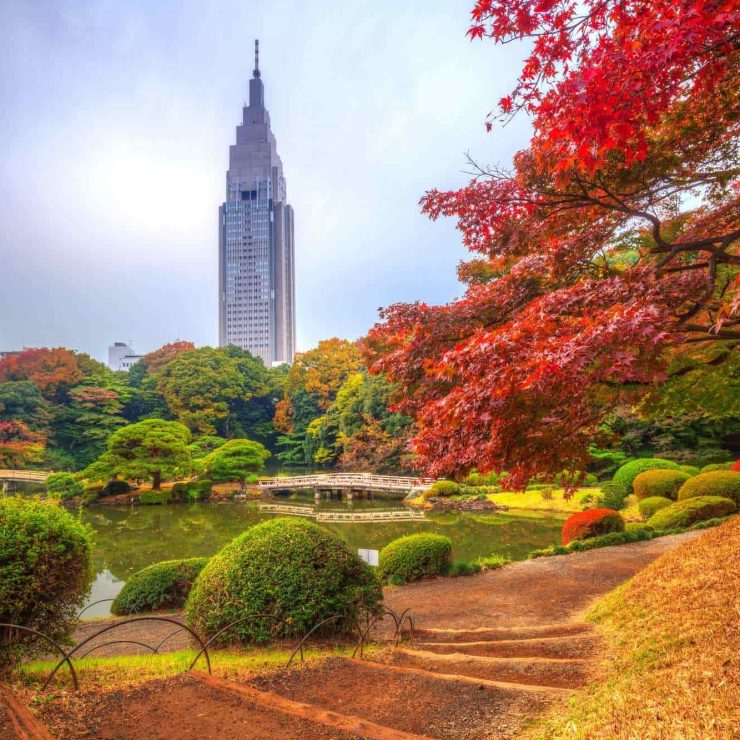

Shinjuku Station is not just Tokyo’s busiest hub — it is a launching pad: within 60–90 minutes sit hot-spring towns, an Edo-period merchants’ street, a great seaside Buddha, a harbour city and a forested mountain. Guests of Citadines Shinjuku Tokyo can sleep in the capital and still see five Japans in five days. The routes, honestly assessed: 🗻
♨️ 1. Hakone — Onsen, Ropeways and (Sometimes) Fuji
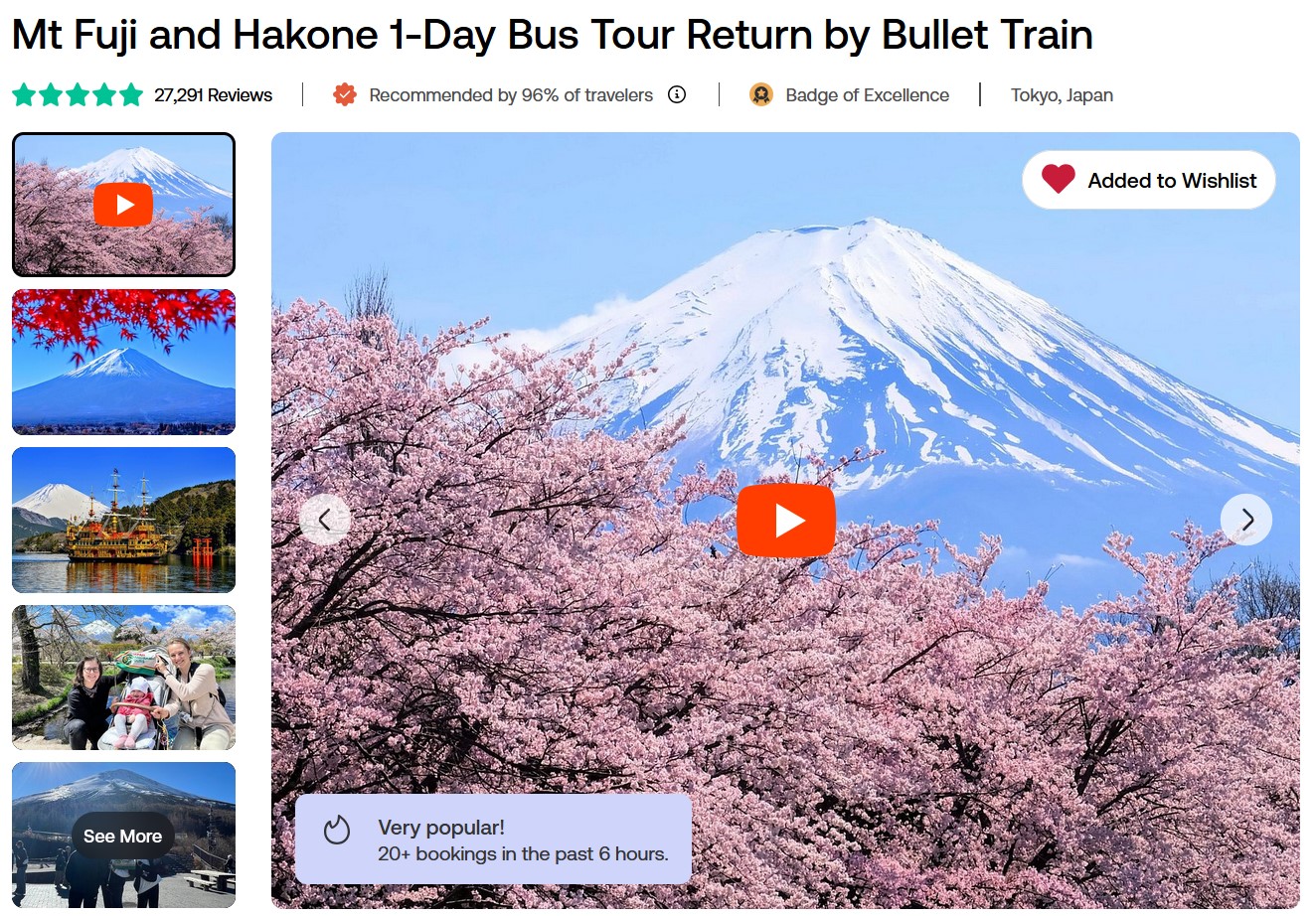
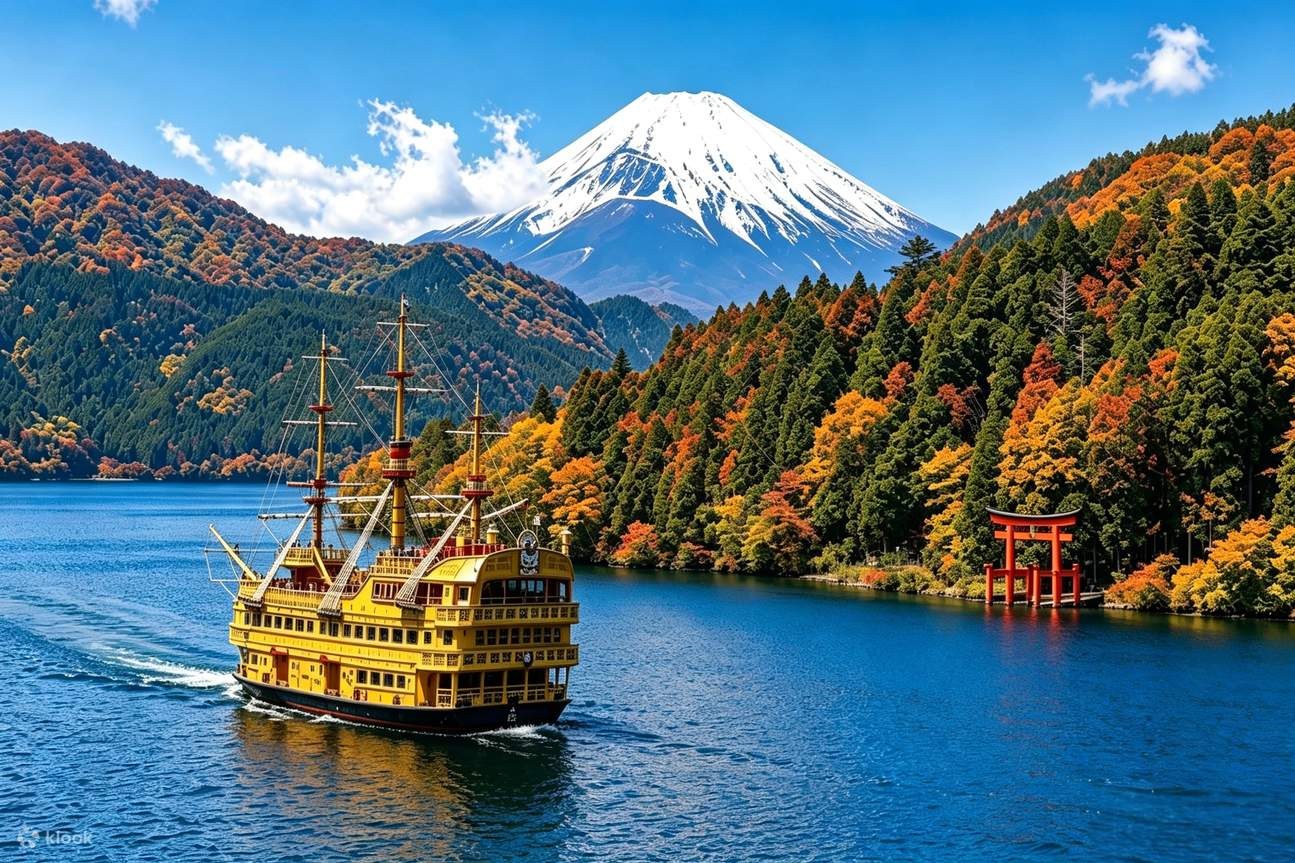
The day: the Hakone Free Pass loop — mountain train, cable car, ropeway over the volcanic Owakudani valley (black eggs boiled in sulphur springs), Lake Ashi cruise, and onsen towns in between; on clear winter days, Fuji fills the horizon. Route: the Odakyu Romancecar runs from Shinjuku directly into Hakone (~85 minutes). Honest note: it is a full day with multiple transport hops; the IC card does not cover the loop pass — buy it at Shinjuku’s Odakyu counter (IC card scope: guide). Start before 8:00; the return by evening puts you under your own lanterns for dinner.
🏪 2. Kawagoe — “Little Edo” and the Candy Alley
The day: a preserved merchants’ quarter of clay-walled kura warehouses, the bell tower, the famous Penny Candy Lane, and temple streets — Edo atmosphere without the Kyoto crowds. Route: train from Shinjuku toward Kawagoe (~30–50 minutes depending on service). Why families love it: compact, stroller-friendly, snack-powered — a picnic from the konbini plus candy-lane grazing covers lunch. Best hours: arrive by 9:30 for the quiet streets; the family rhythm fits this trip perfectly.
🌊 3. Kamakura — the Great Buddha and the Sea
The day: the bronze Great Buddha (a genuine “whoa” for every age), temple hills, the charming Enoden railway along the coast, and shirasu-don (whitebait rice bowls) on the shore. Route: JR from Shinjuku to Kamakura (~60 minutes, one easy transfer or direct services depending on the hour). 팁: wear real walking shoes for the temple slopes and check the closing hours of the Buddha’s interior visit; the sea breeze makes it the summer-friendliest trip on this list.
⚓ 4. Yokohama — Harbour, Chinatown and Cup Noodles
The day: Yokohama inverts Tokyo — waterfront gardens, the Minato Mirai skyline, one of the world’s great Chinatowns, and the Cup Noodles Museum, where children design their own instant-ramen pot (family trip of the year, reliably). Route: train from Shinjuku (~40–50 minutes). Verdict: the easiest, most flexible day — rain-proof, kid-proof, and dinner by the harbour before the ride home.
⛰️ 5. Mount Takao — the Forest Hike with Cable Cars
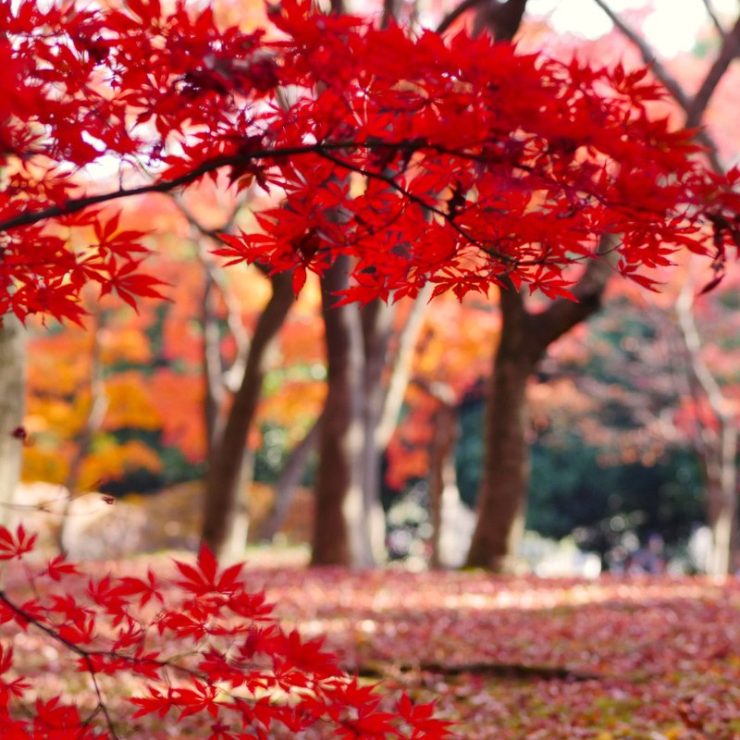
The day: a proper mountain at the city’s edge — cable car or chairlift up, walking trails through cedar and maple, summit views of the skyline (and on golden evenings, Fuji), plus the onsen footbath at the base. Route: the Keio line from Shinjuku to Takaosanguchi (~60 minutes). Season notes: autumn foliage is spectacular (timing: the koyo guide); summer mornings beat the heat; real shoes required, sticks optional.
🎒 The Day-Trip Operating System
- Start before 8:00 — every route above is twice as good before the day-trip crowds board.
- Check IC card coverage: IC cards handle city trains to each gateway, but attraction-area passes (Hakone loop, cable cars) need their own tickets — buy them at Shinjuku counters the night before.
- Pack the konbini kit the evening prior: bento, drinks, snacks — trains are for eating politely (the packing rules: laundry guide’s quick-dry logic applies to day trips too).
- Free luggage storage at the hotel covers any overnight add-on (a Hakone night is a classic upgrade) — the 24-hour desk holds the bags (services list).
- Leave one day-trip slot unplanned: the fifth day goes wherever yesterday’s conversations point — flexibility is the luxury.
🧾 The Shape of a Day-Trip Budget
Numbers without prices, in order of weight: transport dominates — reserved express seats (Hakone’s Romancecar) sit at the top, ordinary train rides at the bottom, and the region passes (Hakone Free Pass) pay off when the loop is ridden fully. Entry fees are modest and stackable: temples, the Buddha’s interior, cable cars, museums — budgeted individually, none startling. Food is the flexible line: the konbini picnic makes any trip nearly free at lunch, while one regional dinner (Kamakura’s whitebait bowls, Kawagoe’s sweet shops, Hakone’s onsen-town kaiseki) turns the outing into a story. Souvenirs follow the discount logic — buy the quirky local one, skip the airport markup. The pattern across all five trips: transport fixed, food flexible, memories cheap. 🧾
❓ Frequently Asked Questions
Which day trip is best with children?
Yokohama for the museum and harbour, Kawagoe for the snack trail — both compact and stroller-friendly; Hakone is the family winner for children over about seven.
Can I see Mt Fuji on these trips?
On clear winter days — from Hakone’s ropeway, Takao’s summit and even the Tocho deck back in the city; summer haze is the honest enemy.
Do I need to book transport in advance?
Reserved seats on the Hakone Romancecar are worth booking in season; the others run on walk-up fares and IC cards without reservation.
How do I keep the day trips comfortable?
Early starts, quick-dry layers, the konbini picnic kit, and the hotel’s laundry + tub routine on return — the infrastructure does the recovering (long-stay guide).
🗼 The Bottom Line
Five Japans, one station, no repacking: onsen ridges, Edo streets, a seaside Buddha, a harbour and a mountain — each back by dinner. Book the studio, learn the Shinjuku platforms once, and let the day trips do what Tokyo’s best base always promised. 🗻