
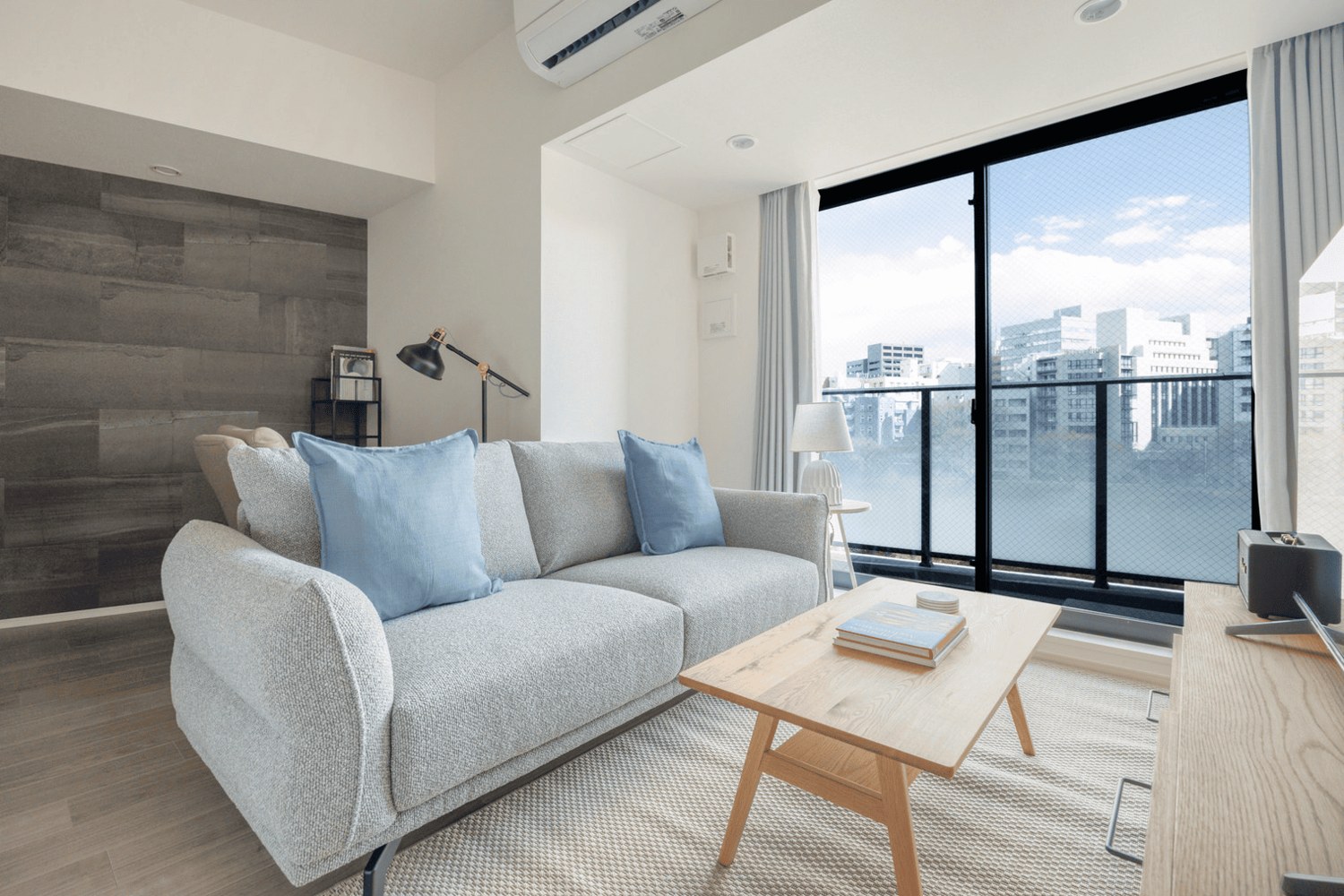
Tokyo trips used to divide cleanly: hotels for holidays, apartments for relocations. The serviced-apartment category — and Citadines Shinjuku Tokyo is a textbook example — exists for everything in between: the ten-day holiday, the month of remote work, the sixth visit when you no longer want a tourism experience, you want a life in Tokyo. Here is what flips in your favour when the stay runs past a week. 🏠
💸 The Economics: Where the Savings Actually Live
Long-stay savings are not a mystical “monthly rate” — they are three concrete leaks a standard hotel cannot plug:
- The breakfast leak: a Tokyo café breakfast runs ¥1,500–2,500 per person per day. A supermarket + kitchenette breakfast costs a third of that. Over ten days for two people, that is tens of thousands of yen redirected toward better dinners.
- The laundry leak: hotel laundry services price per shirt like it is a bespoke service. The hotel’s self-service guest laundry charges per cycle, not per ego — pack four days of clothes for any length of stay.
- The minibar leak: a fridge of your own means convenience-store drinks at convenience-store prices — a small daily saving that compounds honestly.
Individually small; together they fund a day trip or two per week. That is the serviced-apartment math.
🛏️ The Space: 25 Square Metres That Behave Like an Apartment
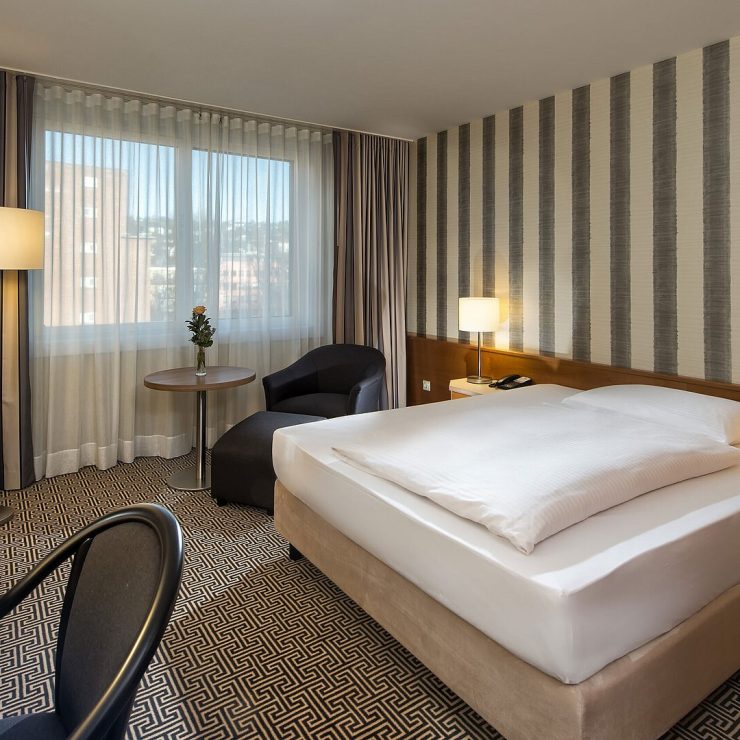
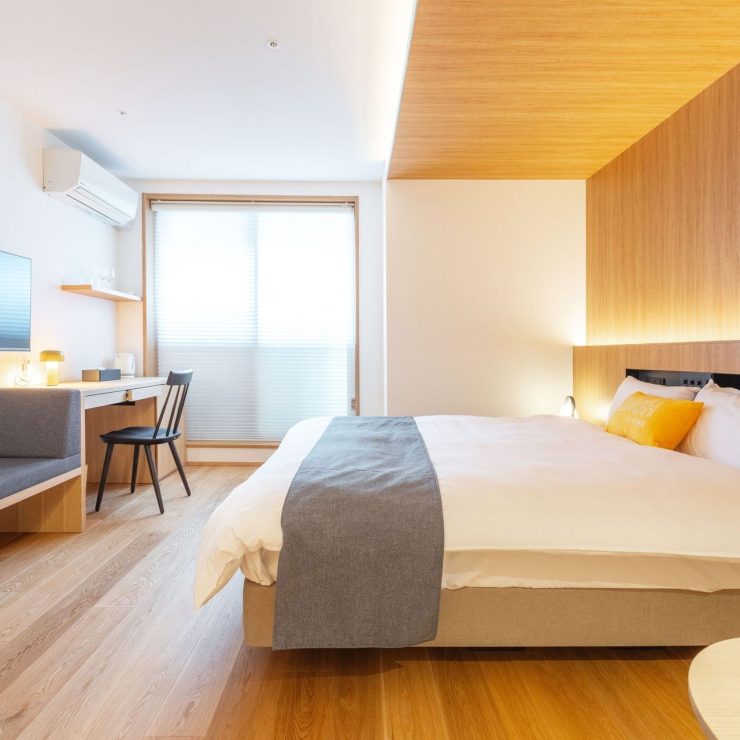
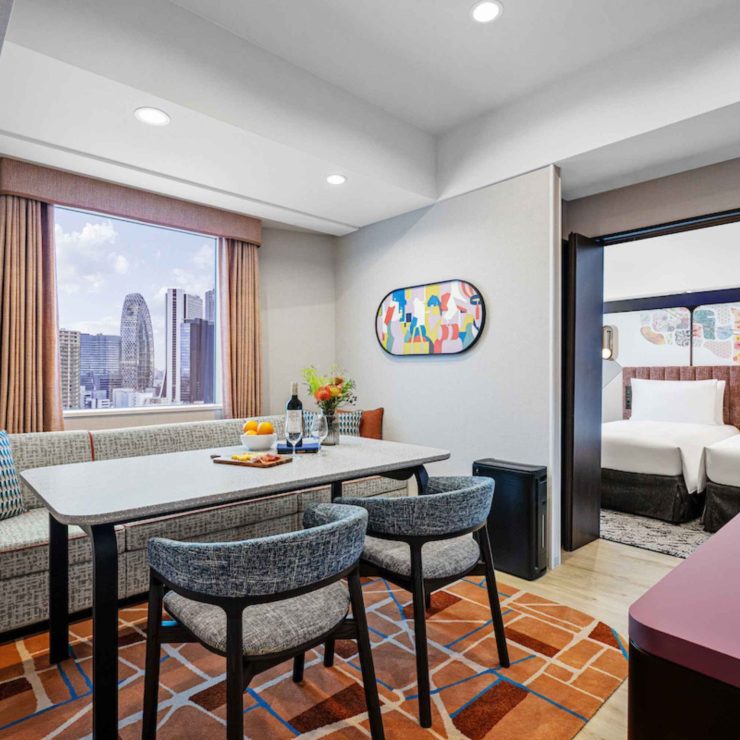
Each studio runs about 25 sqm — genuinely large by Tokyo standards — with a kitchenette (fridge, microwave), deep soaking tub, desk, safe and free Wi-Fi. The psychological shift is real: with a fridge you control and a kettle-free coffee routine at the 7-Eleven downstairs, the room stops being “a room you are keeping tidy for staff” and becomes a base you actually live in. Guests who stay a week stop eating every meal out; guests who stay a month stop feeling like guests.
🔄 The Services That Stay Hotel-Grade
The trick of the aparthotel format is that apartment life does not mean sacrificing services:
- 24-hour front desk — English, Mandarin and Japanese, at any hour jet lag demands.
- Housekeeping — regular room cleaning continues through long stays.
- Free luggage storage — for the post-stay side trip to Hakone or Kyoto (the day-trip guide pairs well with this).
- Concierge and reservations — restaurants, taxis, tickets, handled from a desk that has heard every request.
- 24-hour gym — the long-stay workout routine that standard-hotel gyms (with their 6:00–22:00 windows) quietly sabotage.
🗺️ The Neighbourhood: Routine-Friendly by Design
Long stays are won by the neighbourhood, not the room. This address is a natural routine-builder:
- Morning: 7-Eleven downstairs for breakfast supplies; the supermarket two minutes away for the real shop (grocery map).
- Midday: work or sightseeing — Shinjuku Station is 1.2 km (18 minutes on foot, two on the Marunouchi Line from Gyoemmae).
- Evening: a Gyoen walk instead of a gym session, or the neon circuit in reverse (Kabukicho 890 m, Omoide Yokocho 1.4 km).
- Weekly: one day trip, one “Tokyo admin” day, one day that looks suspiciously like a Sunday.
👤 Who the Long Stay Suits
| Traveller | Why it works |
|---|---|
| Remote workers | Desk, wired internet, 24-hour gym, quiet block |
| Repeat Tokyo visitors | Live-like-a-local format without giving up services |
| Families | Two studios + kitchenette beats four hotel breakfasts (our family guide) |
| Business travellers | The business guide covers the workday rhythm |
| Students and researchers | Month-plus stays at aparthotel rates undercut weekly-hotel math |
🗓️ The Weekly Rhythm Locals Recognise
The long-stay guest who thrives builds a week, not an itinerary: one anchor plan per day and let the neighbourhood fill the gaps. A pattern that works — Monday: groceries and admin (the supermarket sweep); Tuesday: museums and shrines across the city; Wednesday: the day trip; Thursday: work or study blocks with the desk routine; Friday: Gyoen picnic and an early night; Saturday: the neon evening — 가부키초 or the lantern lanes; Sunday: laundry, park, market, rest. Repeat, adjust by weather and energy, and by week three you will be giving directions to tourists — the truest sign the format has worked. 🗓️
❓ Frequently Asked Questions
What counts as a long stay here?
The economics start flipping around seven nights; by two weeks the kitchenette and laundry savings are decisive, and month-plus stays are the format’s home ground.
Do I need to cook to benefit?
No — even using the kitchenette only for breakfasts and drinks changes the math; the grocery guide shows how little effort it takes.
Is the neighbourhood good for month-long stays?
Yes — supermarkets, konbini, the park, a station 420 m away and the city’s busiest transit hub within walking distance is exactly the long-stay combination.
How do I keep laundry manageable?
Four-day clothing rotation plus the hotel’s self-service laundry room; the laundry guide has the timing system.
🏙️ The Bottom Line
Past seven nights, the question stops being “hotel or apartment” and becomes “which hotel behaves like an apartment”. Citadines Shinjuku Tokyo was built for exactly this stretch of the travel curve — book the studio, learn the neighbourhood, and let Tokyo become temporary normal life. 🌿