
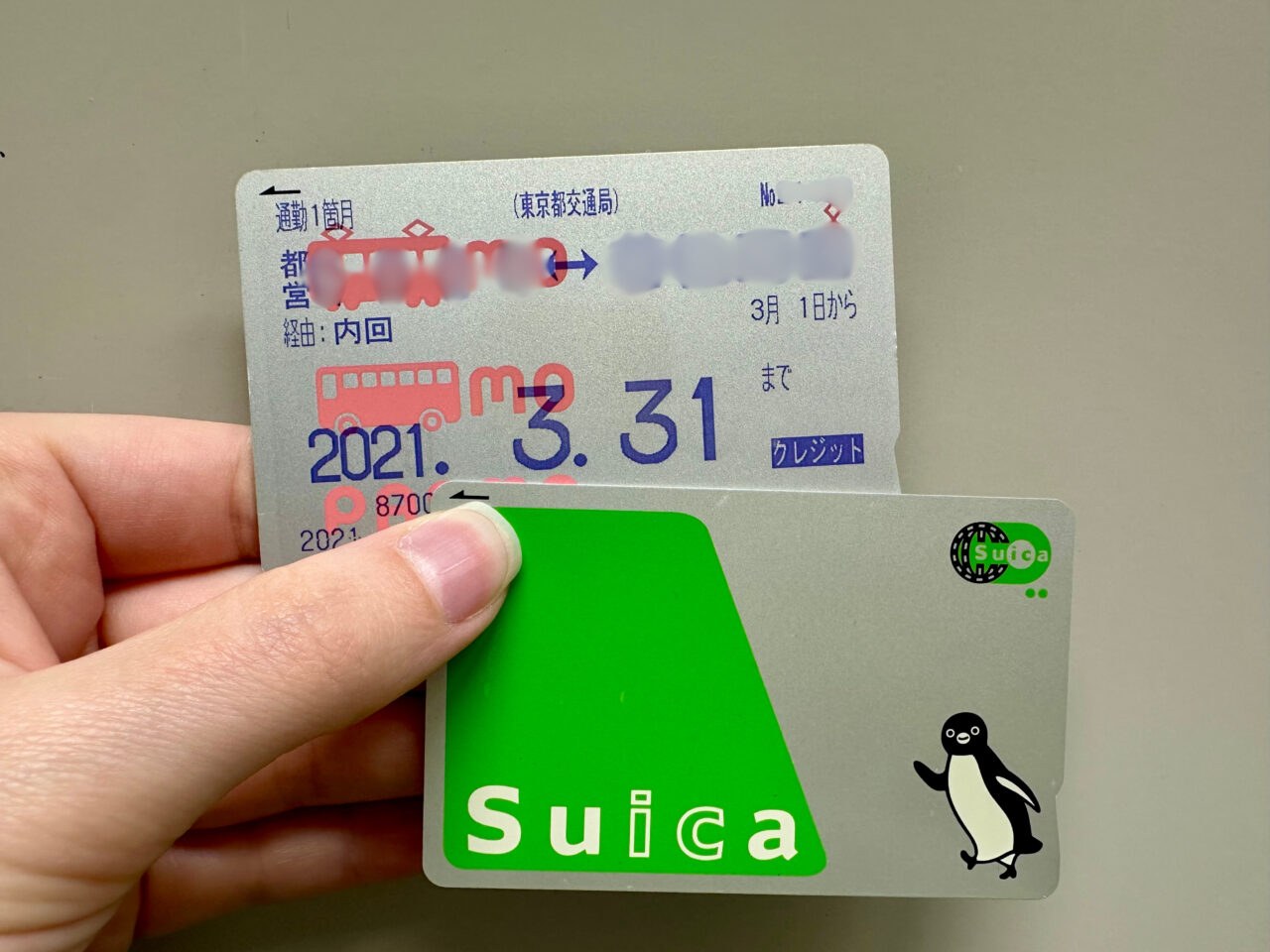
If Tokyo runs on rails, the IC card is its bloodstream: a beep-through plastic (or phone) wallet that covers trains, buses, konbini, lockers and vending machines across the capital. Guests of Citadines Shinjuku Tokyo should treat getting one as the first non-negotiable arrival task — right after dropping luggage. This guide covers every card, every wallet, and the mistakes that cost queues. 💳
🎫 What an IC Card Is
An IC card is a prepaid contactless card. You charge it with money, then tap it at station gates and shop registers instead of buying tickets. Japan has a family of them — Suica (JR East), Pasmo (Tokyo metro/private lines), ICOCA, manaca and more — but since nationwide interoperability, they all work interchangeably: a Suica rides Pasmo lines and vice versa. For a Shinjuku-based trip, Suica or Pasmo both cover the Marunouchi Line two minutes from the hotel and every JR line at Shinjuku Station.
📱 Physical Card vs Phone Wallet
| Physical Welcome Suica / Pasmo | Mobile Suica (Apple Pay) | |
|---|---|---|
| Where to get | Airport stations, major stations — special tourist version, no deposit fuss | Add “Suica” in Apple Wallet in seconds, no ticket counter |
| Charging | Ticket machines, konbini registers | Apple Pay with any card on file, instantly |
| Best for | Keepsakes, kids, Android users | iPhone travellers — fastest possible setup |
| Expiry / rules | Welcome Suica designed for short visits; standard cards last years | Works offline in gates; charge needs internet |
Android travellers and those who like a souvenir take the physical Welcome Suica; iPhone users can skip counters entirely with Mobile Suica. Children ride discounted with child IC cards issued at JR ticket offices (passport needed).
🏪 Where It Works — Far Beyond Trains
- Trains and buses everywhere in Tokyo — including the Marunouchi Line at Gyoemmae, 420 m from the hotel.
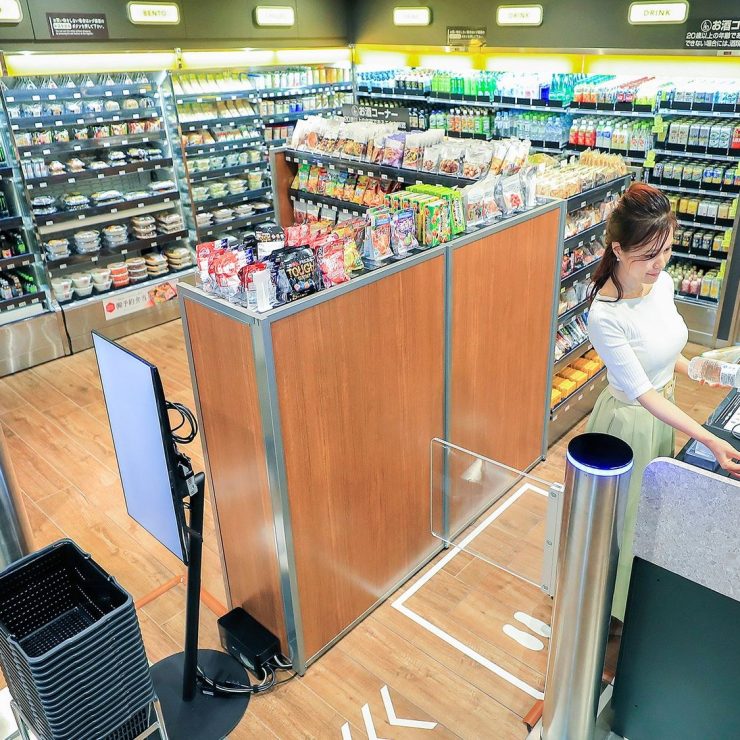
- The 7-Eleven downstairs and every konbini — tap-to-pay for onigiri, drinks and detergent (the konbini playbook: guide).
- Vending machines and coin lockers — the luggage-day savers at Shinjuku Station (station guide).
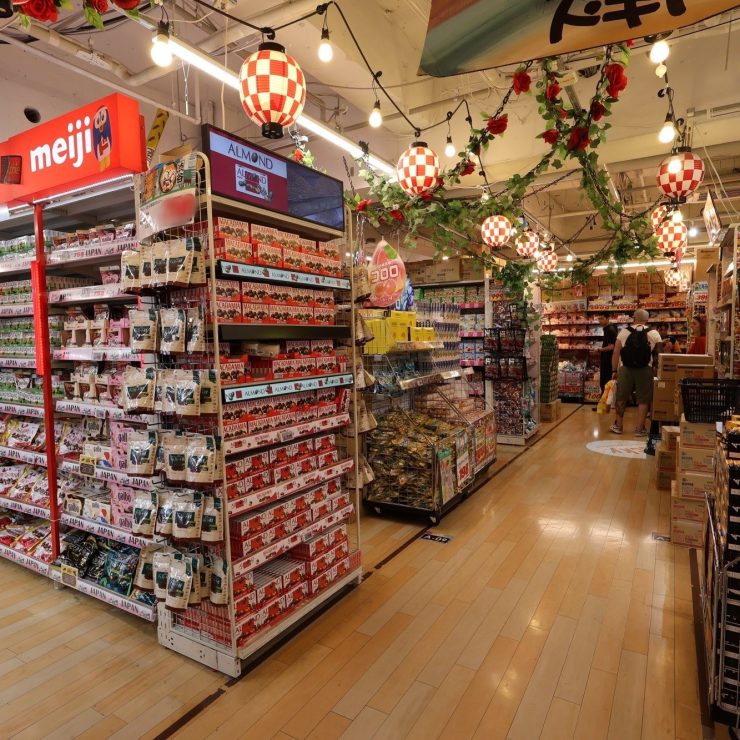
- Family restaurants, bakeries, Don Quijote — most chain stores accept IC payment (the discount run: guide).
💴 Charging and Money Rules
- Charge at ticket machines — English mode, “Charge”, insert the card, bills up to ¥10,000; konbini registers also top up.
- Start with ¥3,000–5,000 — a few days of Tokyo transit plus snacks; you can add money anytime, anywhere.
- The balance is spendable, not a fee — unused yen goes toward konbini breakfasts on the last day (the kitchenette routine).
- Two-card trick for heavy days: keep transit on the IC card and big purchases on a credit card — cleaner expense tracking for business trips.
- Lost card: physical Welcome Suica balances cannot be reissued — treat it like cash; phone wallets are immune (just re-add).
🚇 What It Does Not Do
An IC card pays fares but does not discount them — for savings on multiple subway days, look at the Tokyo Subway Ticket tourist passes (comparison in our transport guide). Shinkansen and airport express seats like the N’EX need actual tickets, not taps (arrival logistics: airport guide). And taxis stay cash/card as usual.
👧 The Kids’ Card Question
Families ask about children every time, and the answer is tidy: kids under six ride free on an adult’s lap or beside them (no card needed); children 6–11 ride at half fare with a child IC card, issued at JR ticket offices with the child’s passport present — the office writes the age onto the card and the gates charge the discounted fare automatically. Two practical notes: buy the child card at the airport where queues are short and staff expect the request, and keep it separate from your own card in a pocket with a distinct colour case, because tapping two cards on one gate reader charges the wrong fare and confuses everyone. The family guide folds this into the wider transport rulebook. 🎫
❓ Frequently Asked Questions
Suica or Pasmo — which should I buy?
Either — they are interchangeable across Tokyo; get whichever the airport counter or your phone offers first.
Can I use my iPhone as an IC card?
Yes — add Suica in Apple Wallet, charge with Apple Pay, and tap your phone directly on gates and konbini readers; it works even without signal inside stations.
How much should I load?
Start with ¥3,000–5,000 for a couple of days and top up at any ticket machine or konbini register; there is no penalty for frequent small charges.
Does the IC card work for the airport express train?
No — reserved expresses like the N’EX need a ticket; IC cards cover regular trains, subways and buses (the airport guide sorts arrivals).
🎫 The Bottom Line
Buy the card at the airport, charge ¥5,000, tap through the gate at Gyoemmae two minutes from the hotel — and Tokyo becomes frictionless: trains, konbini, lockers, coffee. One beep at a time. 🚉