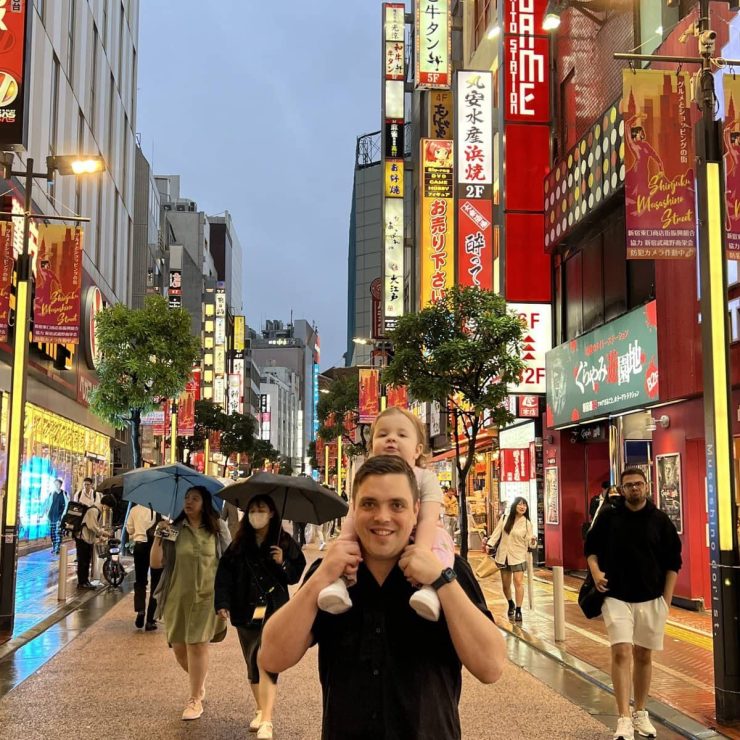

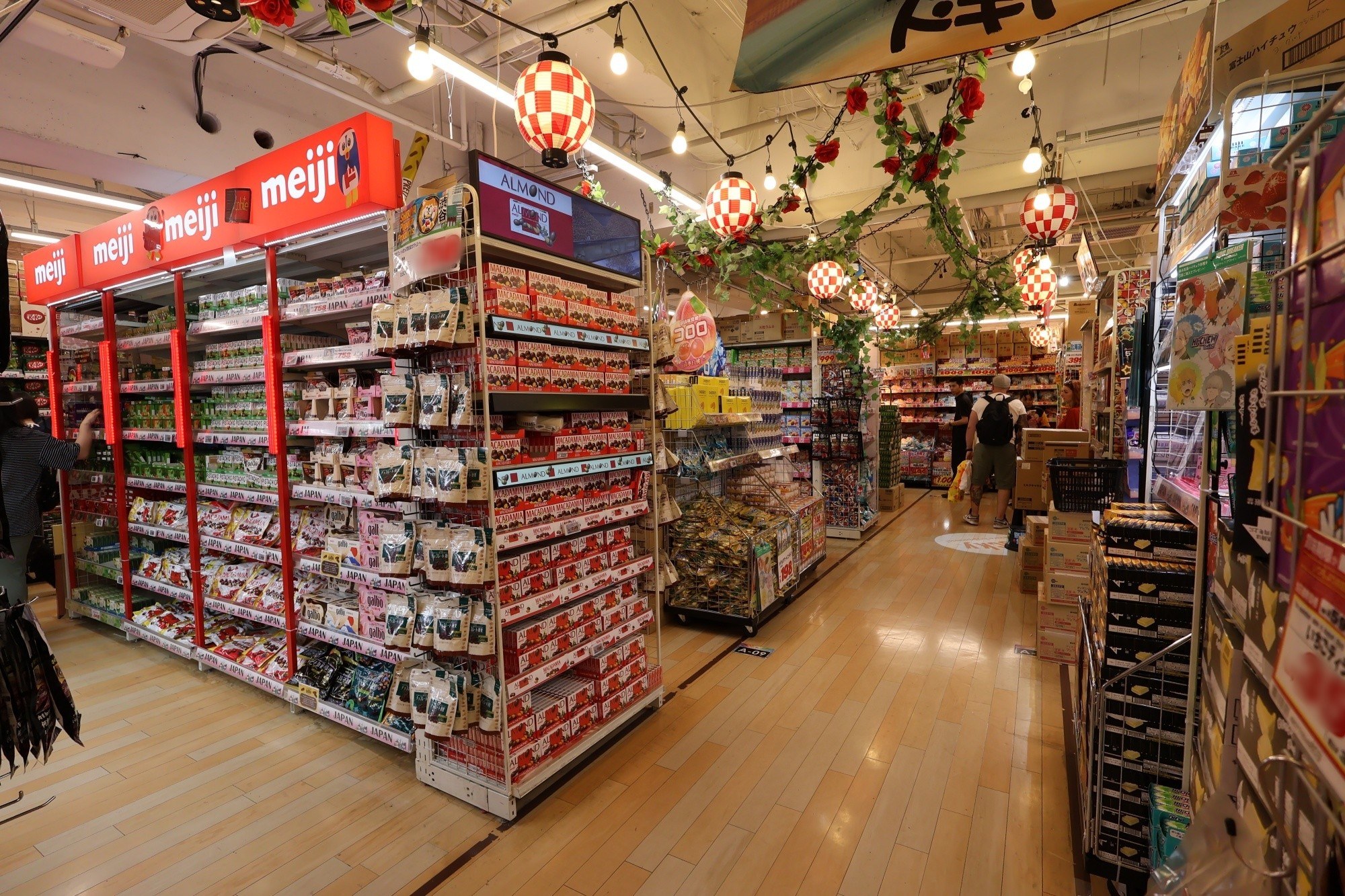
Every Tokyo traveller eventually hears about Don Quijote — the neon-fronted discount palace where penguin mascots guard aisle after aisle of everything — and everyone who goes comes back with snacks they did not plan to buy and opinions about the escalator layout. This guide maps the discount trail from Citadines Shinjuku Tokyo: what to buy, what to skip, and the ¥100 shops that quietly become your favourite stores in Japan. 🐧
🦆 Don Quijote: The Chaos, Harnessed
Don Quijote (affectionately “Donki”) is a 24-hour discount emporium stacked to the ceiling: snacks, cosmetics, electronics, costume wear, luggage, alcohol, souvenirs — arranged with a logic best described as “treasure hunt”. Shinjuku has multiple Donki locations within the transit radius of the hotel. The survival rules:
- Go with a list, leave with stories — write the shopping mission (tax-free cosmetics, snack haul, cheap suitcase) and let serendipity handle the rest.
- Tax-free counter at the top — with your passport and a ¥5,000-per-day basket, the process from our tax-free guide applies here too.
- Peak-hour squeeze: aisles are narrow and popular; visit before noon or after 22:00 for comfortable browsing.
- What Donki wins on: snack variety, cosmetic bundles, cheap travel gear, late hours.
- What it loses on: calm, speed, and any sense of retail geometry.
💼 The ¥100 Universe: Daiso and Friends
The 100-yen shop is Japan’s most quietly impressive retail format, and Daiso is its flagship:
| Item | Why it earns 100 yen |
|---|---|
| Laundry mesh bags, travel hangers | Upgrade the hotel laundry routine |
| Storage boxes and pouches | Organise the 25 sqm studio like a local |
| Picnic mats, chopstick sets, hand towels | The Gyoen picnic kit, nearly free |
| Stationery and gift wrapping | Souvenir prep that looks expensive |
| Basic kitchen tools | Support the kitchenette without suitcase sacrifices |
A Daiso run on arrival day restocks an apartment life for under ¥1,000 — the long-stay move (economics here).
🏪 The Rest of the Trail
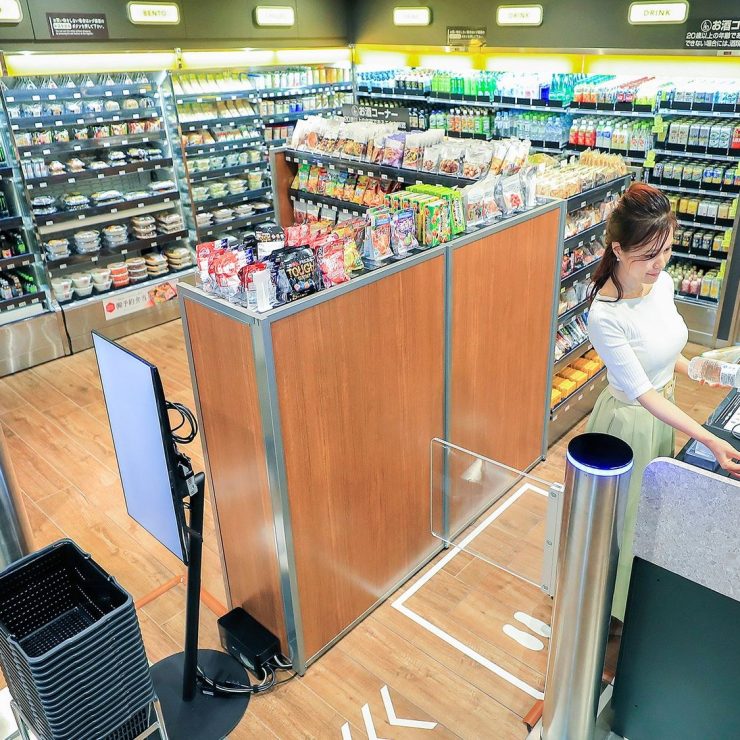
- The 7-Eleven downstairs — the daily-life baseline: drinks, snacks, emergency chargers, midnight ice cream (the playbook: konbini guide).
- The supermarket two minutes away — evening discount stickers on fresh food; the honest food budget (timing: the grocery map).
- Drugstores — cosmetics and medicines with tax-free counters when the basket crosses ¥5,000.
- Shinjuku’s big retail — when quality beats cheapness, the department stores and electronics palaces take over (the first-timer’s list points the way).
💡 What Is Worth Buying Cheap — and What Is Not
- Worth it: snacks and regional sweets as gifts, sheet masks and cosmetics, travel organisational gear, picnic supplies, cheap umbrella (a Tokyo essential), souvenir towels and keychains.
- Not worth it: anything electrical for home use without voltage checks, quality knives and ceramics (buy proper), and comfort shoes (never cheap out on walking Tokyo).
- The umbrella rule: buy the ¥500 clear umbrella on the first rainy day — everyone does, and everyone was right to.
🛒 A Sample Basket, Honestly Priced
What a first Donki run actually contains, straight from the collective guest experience: a stack of regional snack boxes for the office (the ¥500–800 range each), a bag of quirky KitKat flavours, two sheet-mask multipacks, travel-size toiletries forgotten at home, a folding umbrella “for just in case”, one absurd item nobody can explain later (a penguin-themed something, historically), and — for the organised — the laundry mesh bags and travel bottles the ¥100 shops would charge a third for. Total: small change by Tokyo standards, entertainment value: enormous. The tax-free counter at the end turns the basket into a quiet 10% win when the total crosses the line (mechanics: tax-free guide). Bring the list; abandon it cheerfully. 🦆
And the store rewards curiosity: the name comes from the novel’s stubborn knight, which suits a retailer that never surrendered to retail logic — no chain arrangement, aisle plan or price pattern survives the whole floor, and that is precisely the fun. Scan a few shelves you would never plan to visit; between the costume section and the luggage loft sit the odd genuine treasures that turn a discount errand into the trip’s most retold shopping story.
❓ Frequently Asked Questions
Is Don Quijote tax-free?
Yes — major stores run tax-free counters with passport registration; plan a single day’s basket over ¥5,000 to trigger it (mechanics in our tax-free guide).
Where is the nearest Don Quijote or Daiso?
Both sit within Shinjuku’s walking and transit radius from the hotel — the front desk points you to the current closest branch; expect a few minutes by subway or a 10–20 minute walk.
What should I buy at Daiso?
The apartment-life kit: laundry bags, storage, picnic mats, kitchen basics — and souvenirs that look like they cost three times the price tag.
When is the best time to go?
Weekday mornings or late evenings for Donki (crowd control); Daiso is calm whenever, but restocking happens early — go on arrival day.
🐧 The Bottom Line
The discount trail is Tokyo’s most entertaining errand: penguins, ¥100 miracles, midnight snack raids and a laundry kit that pays for itself. Budget one loose afternoon, bring the passport, and let the chaos be generous. 🛒