
The izakaya is Japan’s pub, tavern and second living room rolled into one — and Shinjuku is its capital: from legendary multi-floor institutions to the counter cubbies of Omoide Yokocho, every lane around Citadines Shinjuku Tokyo leads to one eventually. The format has a few unwritten rules that separate relaxed guests from confused ones. This is the decoder. 🍺
🏮 What an Izakaya Is (and Is Not)
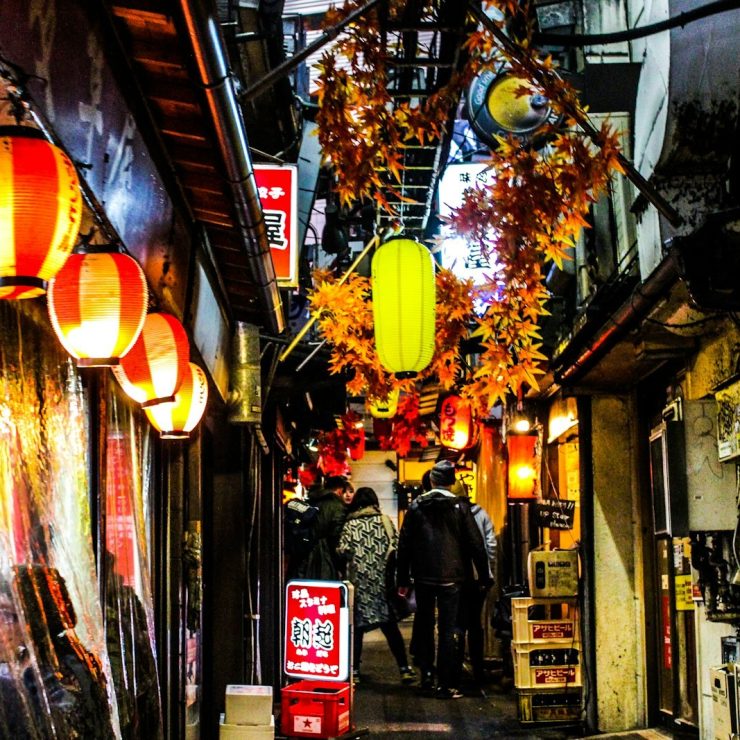
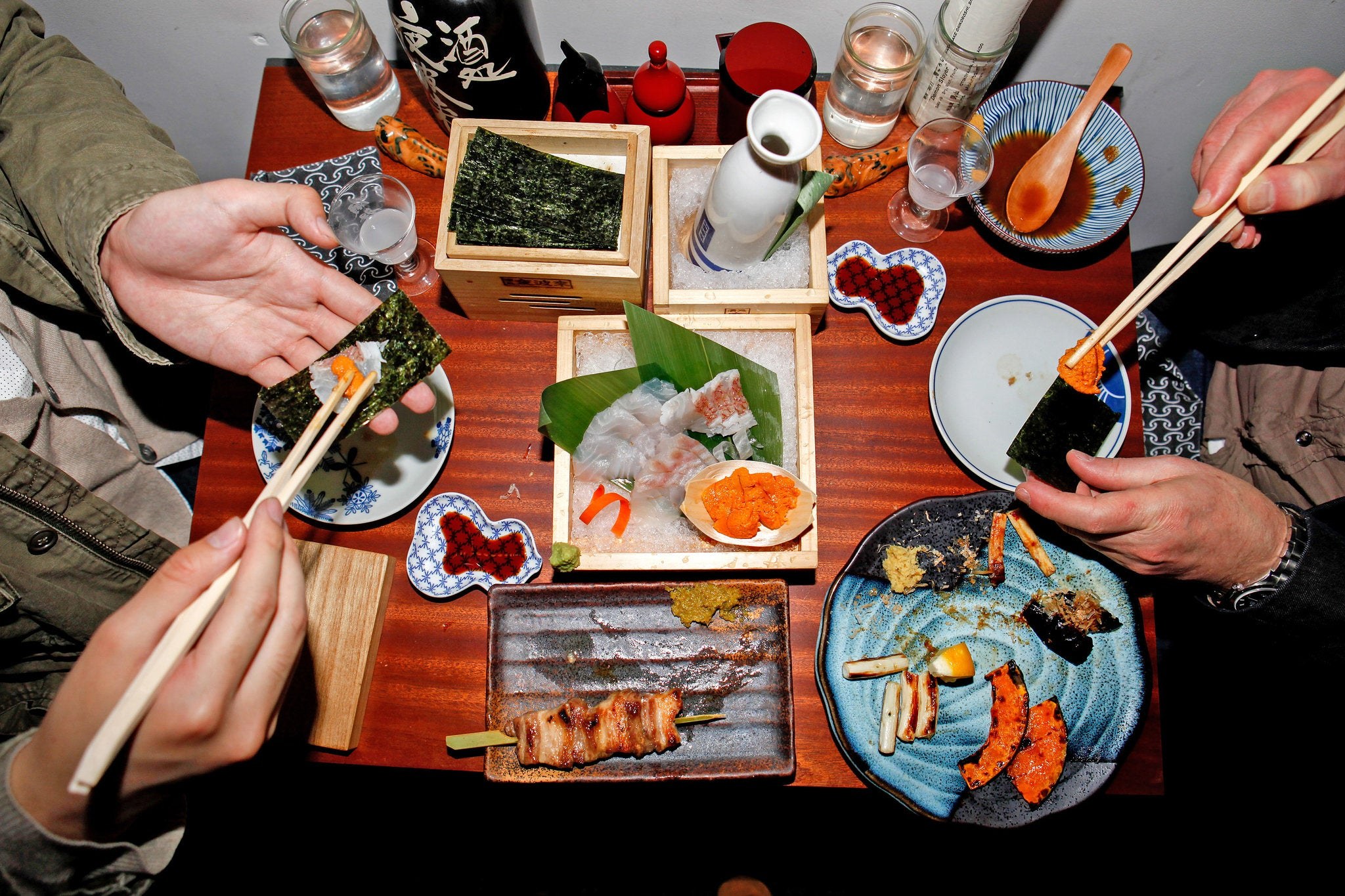
An izakaya is a place for drinks first, food in support — dishes arrive through the evening in small rounds rather than courses. It is not a restaurant (no single main dish), not a bar (serious food exists), and not fast (the night has its own clock). Groups share everything; solo drinkers take counters and are honoured guests, not anomalies. Shinjuku’s spectrum runs from polished chains with English tablets to smoky local dens with handwritten walls — both are correct, and the food guide maps the range.
🪑 Seating and the Otoshi Cover Charge
Walk in, be seated (counter = front-row theatre; table = group comfort). Then comes the ritual that surprises every first-timer: a small plate — edamame, cabbage, tofu something — arrives unbidden with the drinks. This is the otoshi (or tsukidashi), a de facto cover charge of a few hundred yen per person. It is not a trick: eat it, enjoy it, and add it to the bill without drama. Refills happen at some places; declining politely is possible before touching it.
🥂 The Ordering System: Rounds, Not Platters
- Round one — drinks for everyone, immediately. The table orders drinks together the moment the server arrives; food follows. Holding the round hostage to menu study is the classic rookie delay.
- Round two — the anchors: edamame (if not the otoshi), karaage fried chicken, yakitori sticks, sashimi, agedashi tofu, potato salad — the izakaya canon.
- Round three onward: order a dish or two per round as drinks progress; the night breathes in rounds, and servers expect it.
- The finale: rice, noodles or oden for those going home full — closing on carbohydrate is the Japanese sign of a complete evening.
🍻 Toasting and Table Rules
- “Kanpai!” — raise glasses, make eye contact with your toast partner; the clink is warm, not percussive.
- Pour for others, not yourself — friends refill each other’s glasses; hold your glass slightly up when being poured. Your glass refills itself if you keep pouring for the table.
- Cheers before the first sip — drinking before the group’s first kanpai is the polite-error hall of fame.
- Chopstick taboos: never stick them upright in rice, never pass food chopstick-to-chopstick; rest them on the holder or across the dish.
- The bill: requested with a crossed-hand gesture or “o-kanjou”; groups split evenly (wari-kan) in modern izakaya — your card works at most chains (cash for the smoky independents: IC card guide).
🧭 The Shinjuku Izakaya Evening, Mapped
From the hotel: sunset from the Tocho deck optional, first kanpai around 19:00, a second venue for the adventurous (the neon circuit of Kabukicho is adjacent), and the 18-minute walk home under the east-side lights. Business guests: the same rules power the client dinner — the business guide covers the workday wiring.
💡 Vocabulary That Pays Rent
- “Osusume wa?” — “What do you recommend?” — the sentence that turns servers into guides.
- “O-makase de” — “Chef’s choice” — hand the menu to the counter master and trust.
- “Mō ikkai!” — “One more round!” — the most dangerous phrase in Japanese.
- “Gochisōsama deshita” — the exit line that thanks the kitchen properly.
🍶 The Drink Order, Translated
The drink menu decodes in one paragraph. Nama biru — draft beer, the universal round-one; in frosty mugs it anchors every table. Highball — whisky and soda, Japan’s modern default; lighter than it sounds and endlessly refillable. Chuhai — the spirit-and-soda tall can of the izakaya world, lemon or ume flavours leading; friendly, fruity, deceptive. Sake — order kaku (cold cup) to taste, atsukan (hot) in the cold months; ask for osusume and the server recommends a house bottle. Soft options: oolong tea, ramune and juice rounds are entirely normal — half the tables mix drinkers and non-drinkers without ceremony. The toasting mechanics stay constant whatever the glass: eye contact, “kanpai”, sip, repeat — the etiquette is in the rounds, not the alcohol (the lane counterpart: Omoide Yokocho). 🍻
❓ Frequently Asked Questions
Why was I charged for food I did not order?
That is the otoshi — the izakaya cover plate; a few hundred yen per person, standard across the genre, and usually delicious.
Can I izakaya alone?
Absolutely — counters exist for solo drinkers; sit, order beer and two skewers, and enjoy Tokyo’s best people-watching.
Do izakaya have English menus?
Chains and tourist-area spots do (often tablet ordering); small dens run on pointing, pictures and the phrases above — both formats are worth a night.
How much does an izakaya night cost?
Modest per person by Tokyo dinner standards — rounds of drinks plus five or six shared dishes; budget flexibly and let the rounds decide.
🍻 The Bottom Line
Izakaya night is Shinjuku’s best social machine: drinks first, rounds forever, pour for your neighbour, and let the otoshi be the small tax on joy. The counter is 18 minutes from your hotel door — bring an appetite and two kanpai worth of courage. 🏮