
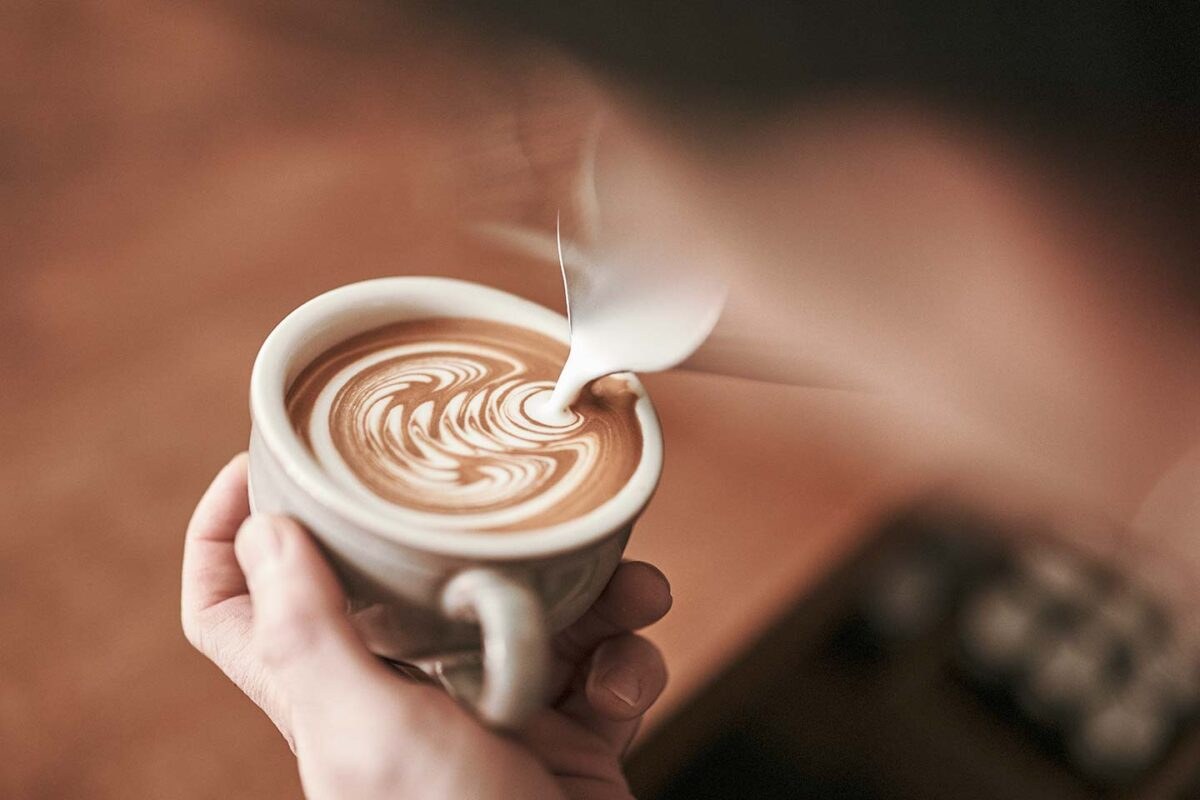
Tokyo drinks more good coffee than almost any city on earth, and it does so in three centuries at once: velvet-seated 1960s kissaten pouring siphon brews, third-wave roasters weighing beans to the gram, and convenience machines that produce a ¥100 cup embarrassingly better than they have any right to. Shinjuku carries all three formats within a walk of Citadines Shinjuku Tokyo. This is the crawl, in order of mood. ☕
🕰️ Format One: The Kissaten — Coffee as Time Machine
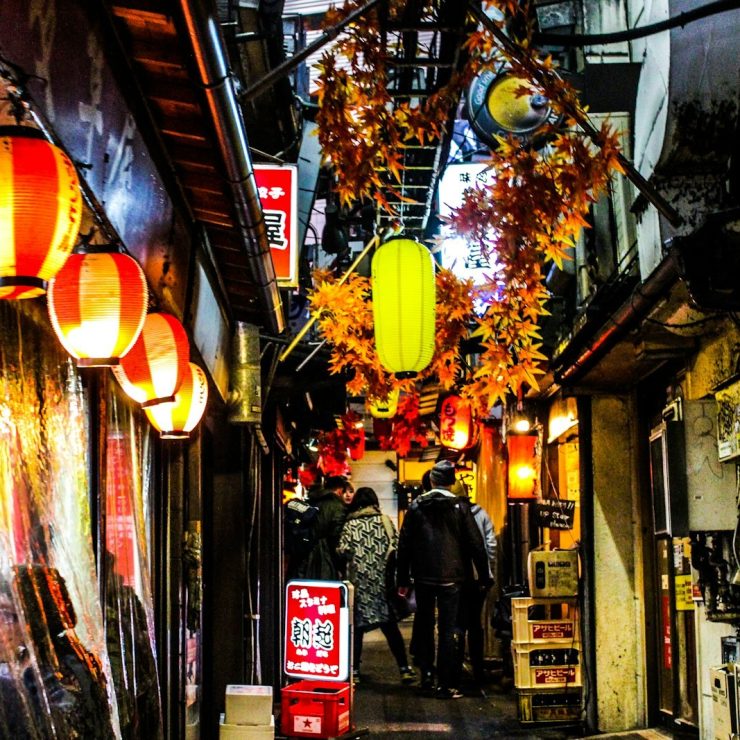
The kissaten is the Japanese café’s great-grandfather: dark wood, marble counters, jazz on vinyl, orange jelly pudding, and coffee brewed over a flame in glass siphons. Nothing is rushed; a cup arrives as a small ceremony. Kissaten thrive in Shinjuku’s side streets and the upper floors of old buildings around the station. The rules of the house:
- Sit, read the single-page menu slowly — blends, siphon brews, and the house pudding are the canon.
- Smoking sections may exist — pick the counter away from the ashtrays if smoke bothers you.
- Cash culture again — many kissaten predate card machines (why cash matters: the IC card guide).
- Best hour: 14:00–17:00, when the light dims and the jazz sounds intentional.
⚡ Format Two: Third-Wave Roasters — Coffee as Science
The modern scene answers with light-roast single origins, pour-over flights, and interiors of pale wood and laptops. Expect careful menus (“this Ethiopian, or this Ethiopian?”), scale-obsessed brewing, and pastries from serious ovens. Shinjuku and its neighbouring strips host a solid roster of roasters — the hunt is the pleasure, and a café-hop afternoon pairs naturally with the park: espresso, then the Gyoen lawns, espresso, then the sunset deck.
🏪 Format Three: The Konbini Machine — Coffee as Infrastructure
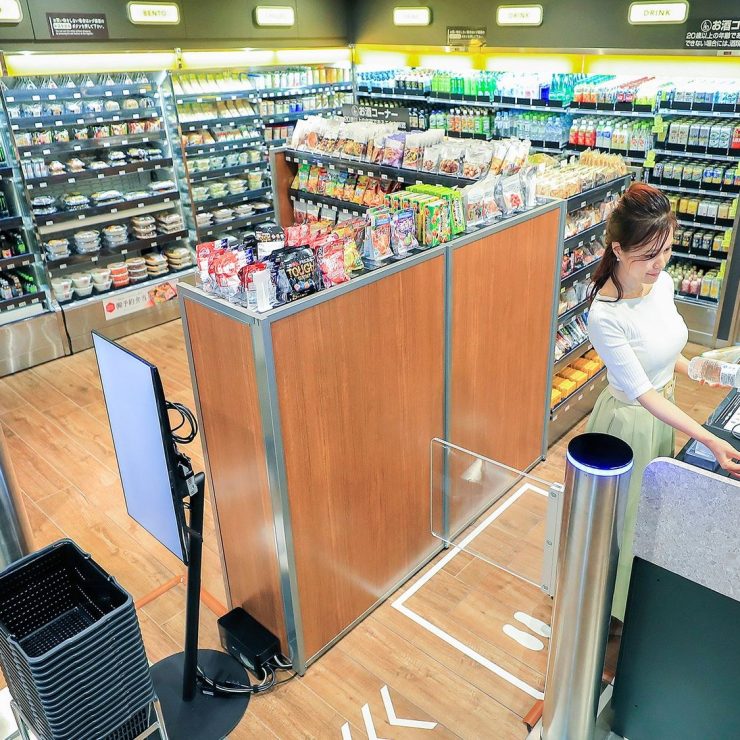
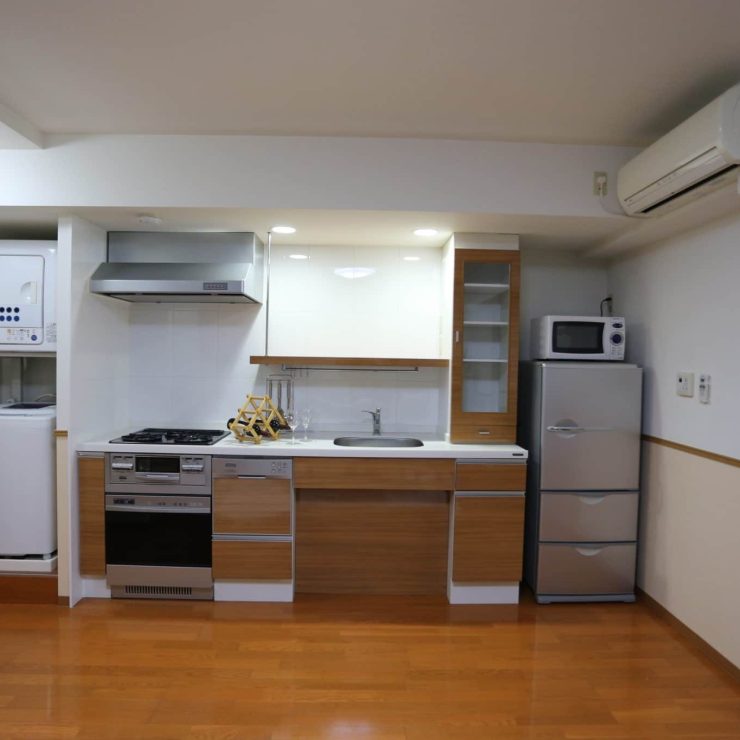
Do not skip it. The fresh-brewed coffee machines at 7-Eleven, Lawson and FamilyMart (often ¥100–180) deliver a hot, honest cup at any hour — and the hotel’s downstairs 7-Eleven means the first coffee of the day is a two-minute round trip. The morning routine this enables: konbini cup + kitchenette breakfast + the walk to the park. It is not romantic; it is reliable, and reliability is a Tokyo virtue.
🍵 The Plot Twist: Tea Deserves Its Own Round
A Tokyo café crawl without tea is an incomplete argument: matcha lattes, hojicha roasts and old-school kohi-ten rivals serving gyokuro appear all over Shinjuku. Try one proper matcha service on the trip — preferably after a garden morning, when the taste logic works (the Gyoen guide sets the scene; the evening counterpart needs different drinks entirely).
🗺️ The Crawl Plans
- The rainy-day crawl: kissaten morning → bookstore browsing → third-wave lunch-hour → department-store food-hall coffee → konbini dessert — all indoors, all short walks (wet-day backup: the first-timer’s list).
- The park-morning crawl: Gyoen at opening → konbini or roaster espresso → picnic afternoon (no alcohol — tea it is) → kissaten dusk.
- The business-day crawl: 6:30 konbini cup → meeting blocks → the reset rituals → evening kissaten digestif of pudding.
- The souvenir move: buy beans at the roaster and a drip-bag pack at the department store — the kitchenette becomes a café for the rest of the stay.
💡 Café Etiquette Micro-Notes
- No laptop culture everywhere: kissaten especially frown at extended laptop sessions — order more, type less.
- Tipping does not exist — the price on the menu is the whole price.
- Takeaway is normal but sitting is better; the rooms are part of the product.
- Sizes are small and correct — a “large” Tokyo coffee is a European medium; adjust expectations, not orders.
🫘 The Bean Souvenir System
Coffee travellers should budget one roaster purchase, and the etiquette is simple: buy beans dated within the week (Tokyo turnover guarantees freshness), choose 200g of a single origin for filter and a blend for milk drinks, and ask the barista to grind for your home method — they will, gladly. The department-store food halls add a different souvenir: drip-bag packs from multiple roasters in one box, the lightest luggage-weight coffee gift in Japan and a desk-drawer luxury for the rest of the stay (the kitchenette has the kettle logic; the suitcase math approves). One warning from experience: Japanese roasts lean light and bright — visitors who prefer dark should say so at the counter rather than after the first sip. The beans outlast the trip; the habit outlasts the year. ☕
❓ Frequently Asked Questions
What is a kissaten?
The classic Japanese coffee house — decades old, velvet and wood, siphon-brewed coffee, pudding and toast menus; the anteroom of modern café culture.
Is konbini coffee actually good?
Genuinely — fresh-ground machines at ¥100-ish produce a cup that beats most hotel coffee machines; it is the reliable base layer of the crawl.
Where do I find the cafés?
Concentrated around Shinjuku Station, the east-side lanes near the hotel and the department-store floors — the front desk can point to the closest of each format.
Can I work from cafés near the hotel?
Third-wave spots tolerate laptops (order generously); kissaten do not — for deep work, the studio desk and wired internet win (the business guide).
☕ The Bottom Line
Shinjuku runs a three-speed coffee engine: ceremony, science and infrastructure — all within a few minutes of your room. Hunt one kissaten, one roaster and one konbini cup, in any order, and you will have tasted Tokyo properly. 🌿