
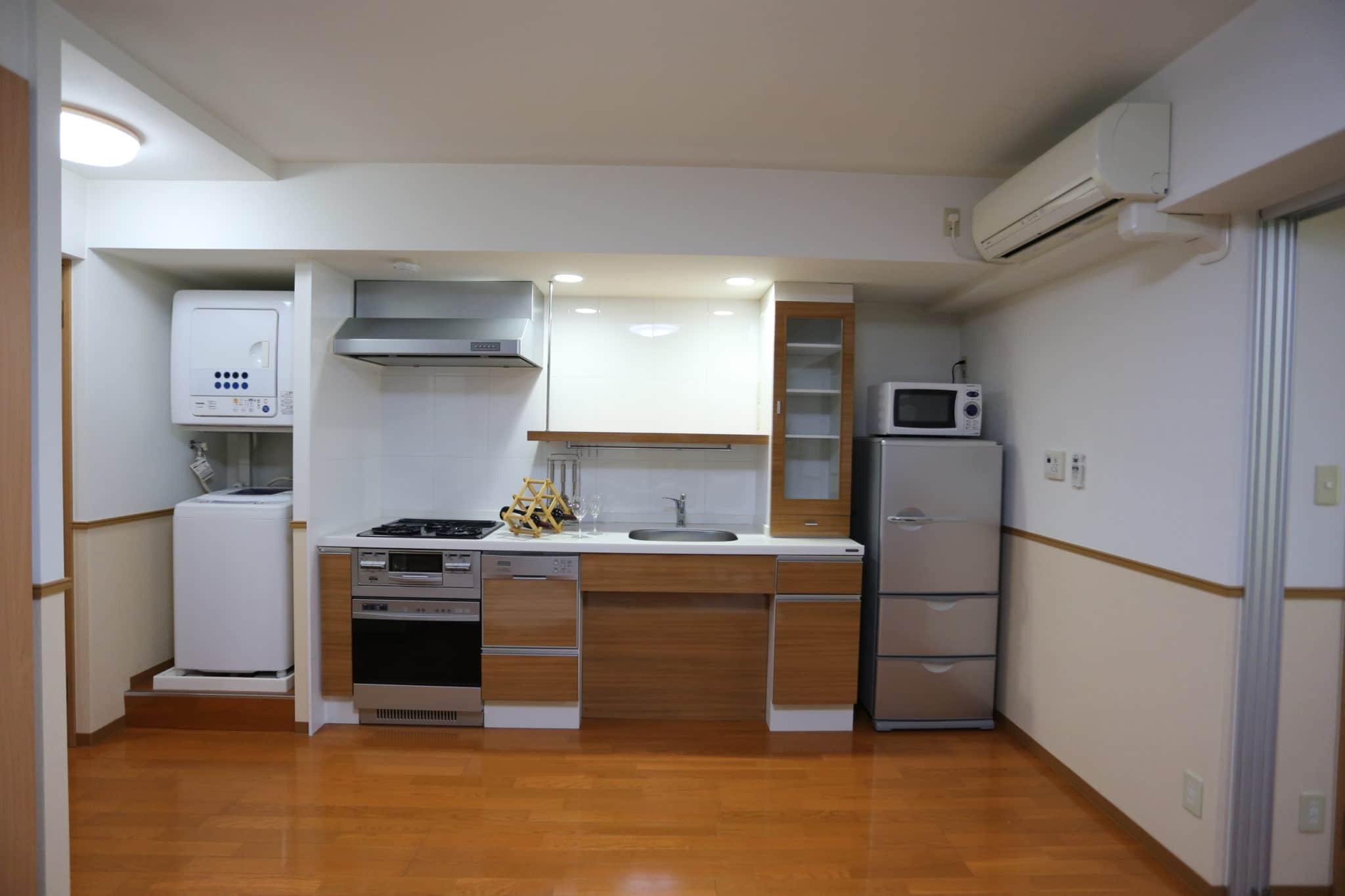
One of Tokyo’s quietest luxuries is a fridge that belongs to you. Every studio at Citadines Shinjuku Tokyo has a kitchenette, and in a city where a casual dinner can quietly cost ¥4,000, the apartment kitchen is the difference between a good trip and a sustainable one. This guide covers what you have, where to shop, and what is actually worth cooking on holiday. 🍳
🍳 The Kitchenette: What You Actually Have
Each of the 160 studios comes fitted with a kitchenette — sink, refrigerator and microwave — plus tableware for in-room dining. If your plans include proper cooking, mention it at check-in: the 24-hour desk can confirm the cookware and kitchen setup available for your room type. Realistic kitchen expectations for a Tokyo studio:
- The microwave is the workhorse — konbini and supermarket ready-meals are engineered for it; half the joy of a Tokyo kitchenette is reheating the world’s best convenience food.
- The fridge is the holiday-maker — chilled fruit, yoghurt, drinks and tomorrow’s breakfast, all at convenience-store prices instead of minibar prices.
- The sink is the laundry line’s best friend — rinse swimwear and quick-dry shirts; the hotel laundry guide takes it from there.
🛒 The Three-Minute Grocery Map
You could not build a better food-supply radius if you tried:
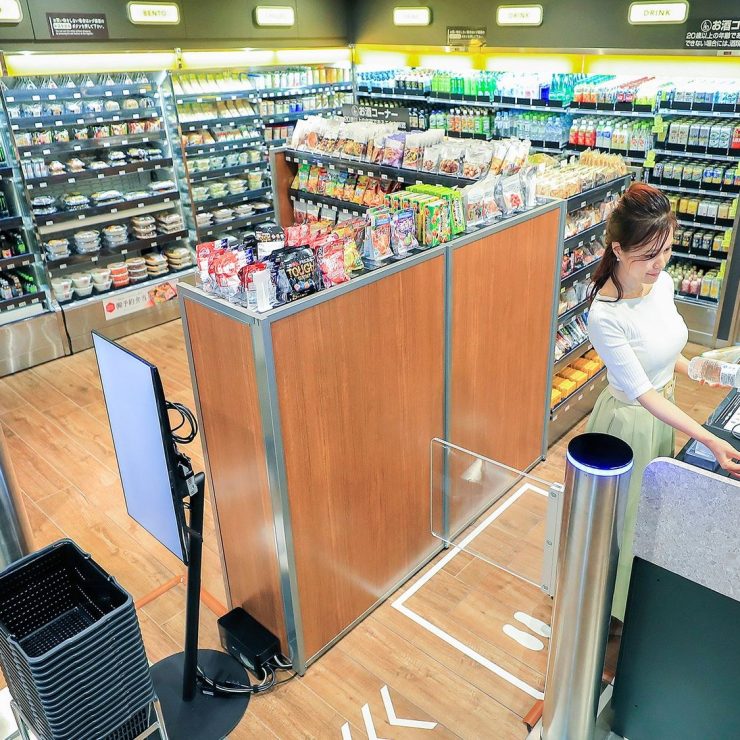
- The 7-Eleven, effectively downstairs — a few metres from the door: onigiri, egg sandwiches, ¥100-ish coffee, instant noodles, beer, and the late-night dessert shelf. Open 24 hours.
- The full supermarket, two–three minutes away — fresh produce, bento discount racks at evening, dairy, meat, bread and everything a real pantry needs. Evening visits (after 19:00) catch the day’s half-price sticker sweep.
- Don Quijote and the discount trail — snacks, sweets and sundries at chaotic prices, a short walk into the neon (the route and strategy: our discount shopping guide).
🍱 What Is Actually Worth Making
- The konbini breakfast — egg sandwich + yoghurt + fruit + coffee costs about a third of a café breakfast, eaten slowly with a real view (eat it facing the garden plans in our Gyoen guide — note the park keeps a no-alcohol rule, so keep picnics tea-and-water friendly).
- The supermarket bento upgrade — microwave a quality bento, add supermarket sashimi and a cold drink: dinner for two under ¥2,500 that tastes like a night in.
- The jet-lag midnight plate — instant noodles upgraded with an egg, green onion and leftover chashu from the day’s ramen run; the city’s most honest midnight meal.
- The picnic build — supermarket bread, cheese, fruit and drinks packed for a park day; the kitchenette’s counter becomes the prep station.
💴 The Money Math, Honestly
The hotel’s restaurant breakfast is a solid buffet — ¥1,980 for adults, ¥990 for ages 7–11, under-sixes free, weekday 6:30–9:30 and weekend 7:00–10:00 — and worth it on the days you want volume and zero decisions. The kitchenette play is for the other days: a family of four eats a supermarket breakfast for roughly the price of one buffet plate. Over a week, the grocery routine saves enough to fund a day trip — which is exactly how most long-stay guests spend the difference (the full economics: our long-stay guide).
🧂 Pantry Rules for a Five-Night Stay
- Buy once, use daily: salt, pepper, soy sauce sachets (free at konbini counters), tea bags, and a small bottle of washing-up liquid.
- Shop in the evening for discounts, in the morning for freshness.
- Trash discipline: Japanese apartments sort waste — the front desk points you to the bins; konbini meals generate surprisingly little.
- Leave room for ramen — Shinjuku’s bowls are worth more kitchen-free dinners than you expect (the map: our food guide).
🧾 The Checkout Fridge Rule
The last two days of a stay are where kitchenettes quietly fail: half a carton of milk, three eggs, a remaining bag of salad — and an 11:00 checkout. The fix is planning. Day minus-two: stop buying fresh, shop for exactly-eaten portions. Day minus-one: the “empty the fridge” dinner — microwave fried rice, the last of the fruit, the last cold drink, consumed deliberately. Morning of departure: the leftover coffee becomes the walk-to-station cup, and the front desk directs you to the building’s waste sorting so packaging leaves properly (Japanese bins are precise; the desk points you right). Guests who run this routine check out with an empty fridge, no food waste and a small final-day saving — the grocery guide’s last, tidy chapter. 🧺
❓ Frequently Asked Questions
Can I really cook in the room?
Every studio has the kitchenette with fridge and microwave; cookware and cooking arrangements depend on room setup — ask the 24-hour front desk at check-in and they will set expectations for your specific room.
Where is the nearest supermarket?
A full supermarket sits two to three minutes’ walk from the hotel, plus the 7-Eleven effectively downstairs for 24-hour top-ups.
Is using the kitchenette cheaper than eating out?
Breakfasts and some dinners, yes — dramatically. Tokyo’s restaurants are experiences worth budgeting for; the kitchenette is how you afford them without starving your wallet daily.
Does the hotel sell or provide breakfast instead?
Yes — the buffet runs weekdays 6:30–9:30 and weekends 7:00–10:00 at ¥1,980 (¥990 for ages 7–11, free under 6); many guests mix buffet mornings with kitchenette mornings.
🥢 The Bottom Line
The kitchenette is not a compromise — with the 7-Eleven downstairs, a supermarket around the corner and the world’s greatest convenience food ecosystem, it is one of the reasons to choose this aparthotel over a standard hotel. Shop smart, microwave proudly. 🍱