
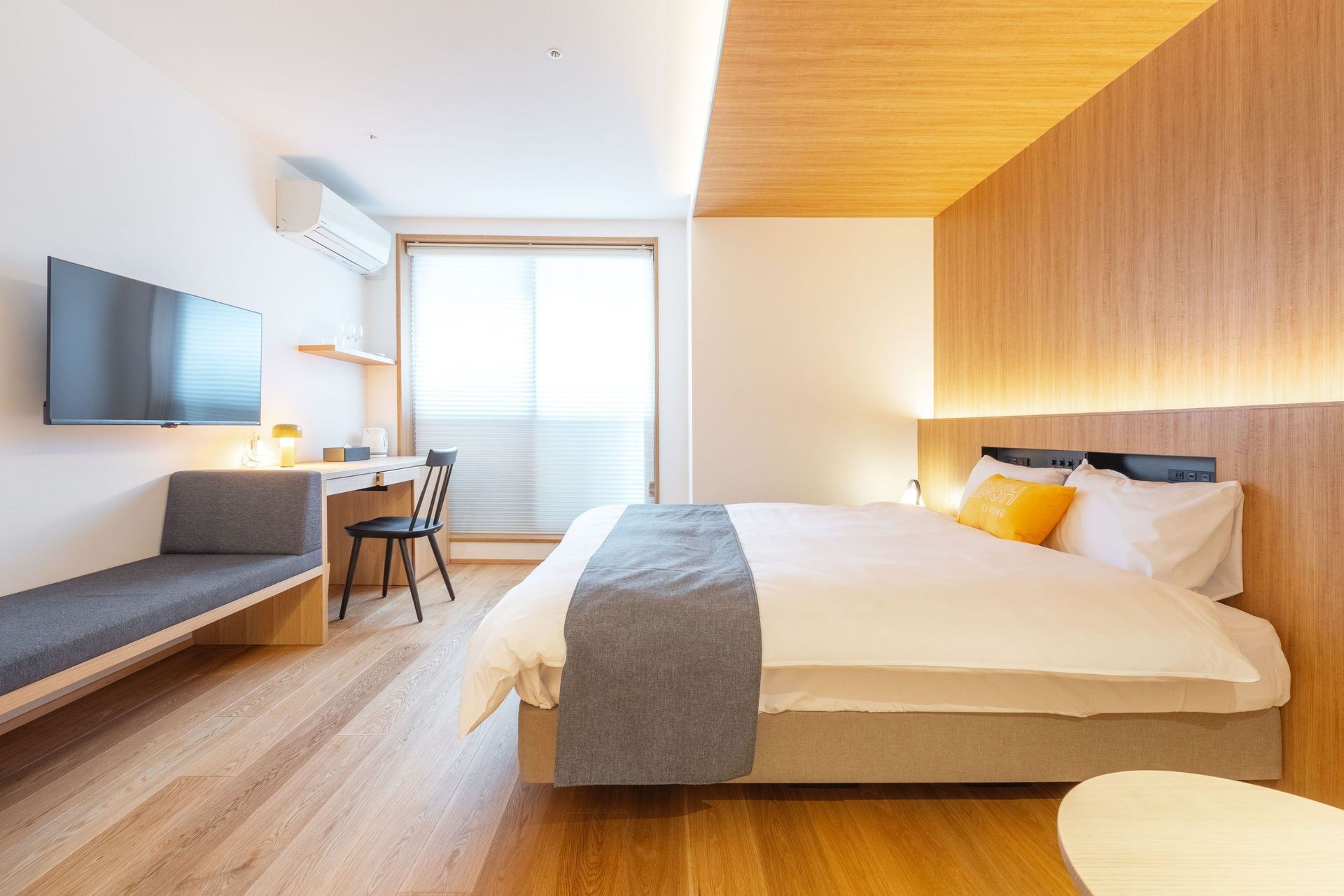
Booking a 160-room aparthotel sounds simple until the reservation page shows four studio names and no explanation of the differences. Citadines Shinjuku Tokyo keeps its room system honest — every unit is a ~25 sqm studio with the same kitchenette and bathroom core — but the bed layout, floor and position change how the room feels. Here is the full map. 🛏️
🛋️ The Lineup at a Glance
| Room type | Beds | Size | Occupancy | Suits |
|---|---|---|---|---|
| Studio Double | 1 queen | 25 sqm | 2 (3rd pax chargeable) | Couples, solo splurgers |
| Studio Exécutif Double | 1 double | 25 sqm | 2 | Couples wanting the upper floors |
| Studio Twin | 2 singles | 25 sqm | 2 | Friends, siblings, colleagues |
| Studio Exécutif Twin | 2 singles | 25 sqm | 2 | Friends who want views and a bit more polish |
All four share the same living core: kitchenette with refrigerator and microwave, free Wi-Fi and wired internet, flat-screen TV, work desk, in-room safe, and the deep Japanese soaking tub.
👑 Studio Double vs Executive Double
The Studio Double is the value play: queen bed, full 25 sqm, and the lowest rate in the house — with one quirk, it is the only category that can take a third person (chargeable) thanks to its floor plan. The Studio Exécutif Double trades a little rate for position: executive categories typically sit on the higher floors, which means better light, quieter nights and the chance of a real skyline from the window. For honeymooners and anniversary trips the executive premium is usually worth it; for practical couples who plan to be out all day, the standard Double is the smarter spend.
👯 Studio Twin vs Executive Twin
Japan is a two-single-bed civilisation, and the Studio Twin is the category that makes friend trips work: two proper single beds, separated by the studio’s living space, so nobody shares a mattress with a colleague. The Executive Twin adds the higher-floor treatment. Business partners take the Twin over the Double by default — book one Twin each if the budget allows, because separate rooms at this rate class are still cheaper than most Tokyo hotel singles.
🌆 Views, Noise and Floor Strategy
- Higher floors win on quiet — street-level rooms hear occasional night traffic; guests report the building sits on a calm block, but a higher floor removes the question entirely.
- Ask at check-in — the 24-hour desk can note preferences; requests like “high floor, away from the elevator” are honoured when availability allows.
- Windows vary — some studios have compact windows by design; if natural light matters to you, mention it at booking and the team will aim you right.
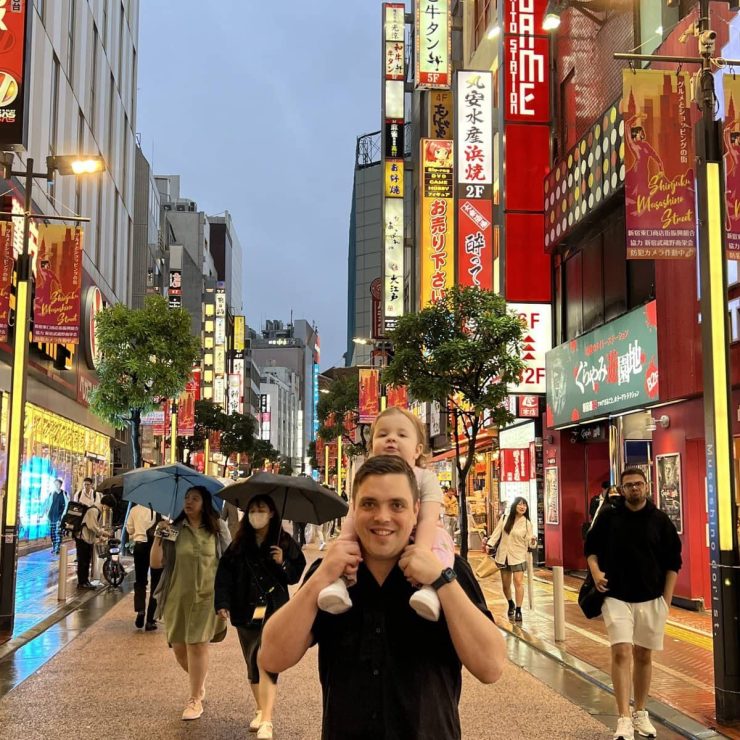
- The neighbourhood reward — the best perk of this address is the five-minute walk to Shinjuku Gyoen, so a garden-facing morning beats a skyscraper view anyway.
🧳 Third Guests and Families
Only the Studio Double officially accepts a third guest for a charge; the Twin categories cap at two. There are no cribs, so families with toddlers should plan accordingly — the practical play for families is two adjacent Studios: parents in one, kids in the other, the kitchenette handling everyone’s breakfast (the full family playbook: our Shinjuku with children guide).
💡 Choosing Rules That Rarely Fail
- Couples — Executive Double for view-light mornings; standard Double if the days are packed anyway.
- Friends and colleagues — Studio Twin, one room, two beds, shared kitchenette savings.
- Solo travellers — Studio Double at the best rate; the extra bed doubles as a suitcase table.
- Long stays — the room matters less than the routine: laundry (guide), groceries (guide) and the seven-night economics.
- Light sleepers — any category, high floor, away from the elevator: say it once at check-in.
💻 Reserving Smart: The Booking Notes
Three booking habits pay off here. First, book direct when rates match — direct guests can attach requests (high floor, quiet side, away from the elevator) to the reservation before arrival, while third-party rates often cannot carry notes. Second, name the occasion: the team reliably helps anniversaries and first-trip celebrations with small touches when told in advance. Third, match the rate to the trip’s shape — packed sightseeing days make the standard categories rational, while slow, view-light mornings justify the executive floors. Finally, remember the room system is honest: the same 25 sqm core under every label means you are choosing beds and light, not luxury tiers — so book the cheaper category without regret and spend the difference on dinner. 💡
❓ Frequently Asked Questions
Are the rooms really 25 sqm?
Yes — the studios run about 25 sqm (269 sqft), which reviewers consistently note is roomier than the Tokyo hotel standard.
Do all rooms have a bathtub?
Every studio has a deep soaking tub with shower — the full Japanese end-of-day ritual, in-room.
Can three adults share one room?
Only in the Studio Double, with a chargeable third guest; the Twin categories are strictly two-person rooms.
Which room should I book for the quietest night?
An Executive category on a high floor, away from the elevator — request it when booking or at the 24-hour desk on arrival.
🛏️ The Bottom Line
Four studios, one honest core: 25 sqm, kitchenette, soaking tub, and a quiet block beside Tokyo’s greatest park. Choose by beds and floor, ask for what you want at check-in — and let the neighbourhood do the impressing. 🌿