
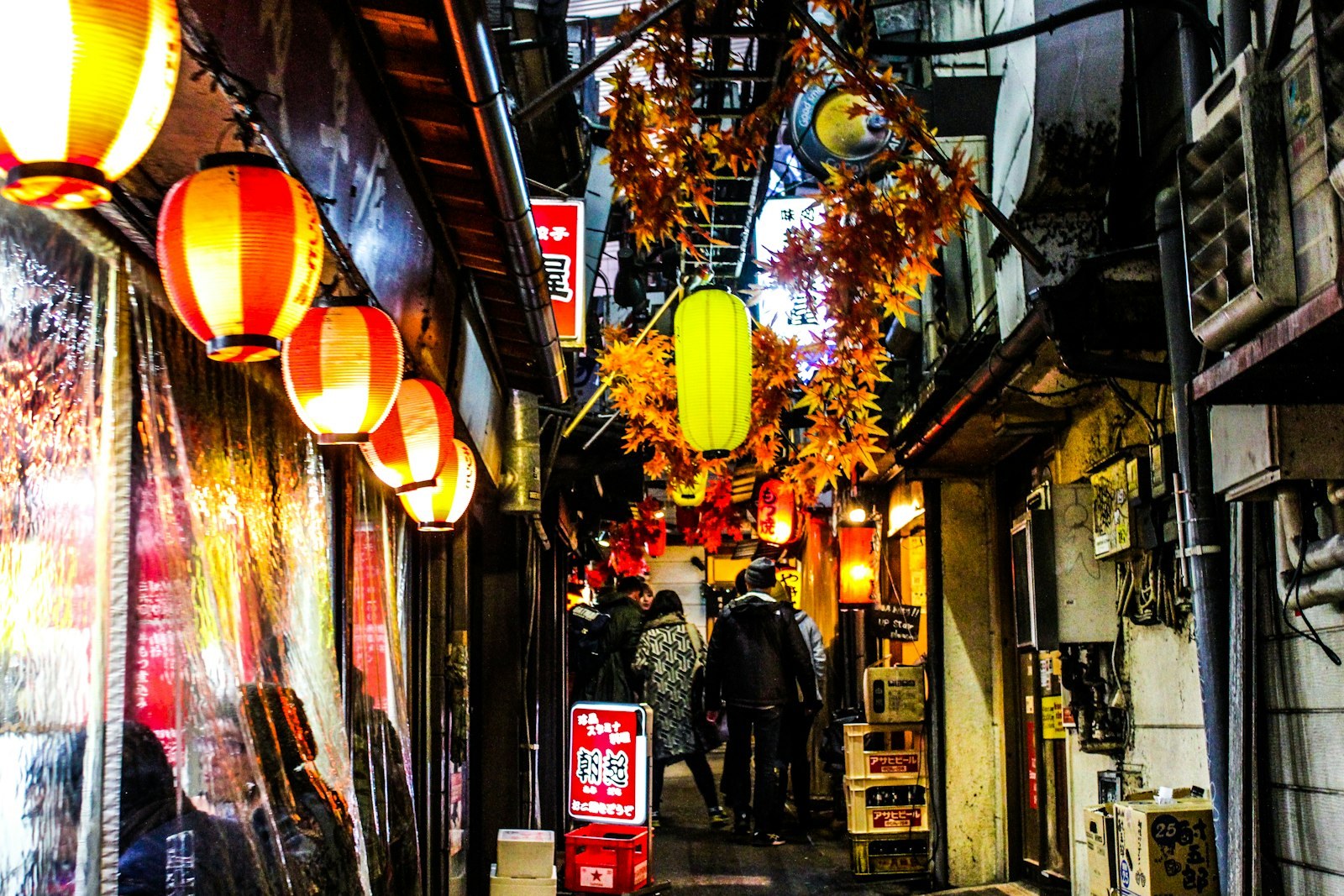
One kilometre of neon west of the hotel, time runs backwards. Omoide Yokocho — “Memory Lane”, tourists also call it “Piss Alley” for its postwar plumbing — is a network of narrow lanes hugging the railway tracks near Shinjuku Station’s west exit, packed with sixty-odd cubbyhole restaurants under strings of red lanterns. Smoke from yakitori grills fills the alleys; salarymen and travellers squeeze onto six-seat counters; the trains rumble overhead like a metronome. It is Tokyo’s most atmospheric hour of eating, and it sits 1.4 km from Citadines Shinjuku Tokyo. 🏮
🕰️ What the Lane Is — and Why It Survived
Omoide Yokocho grew out of the black market stalls that fed station workers after the war; when the city modernised around it, the lane survived on stubbornness and charm, finally protected as a nostalgic landmark of old Tokyo. Nothing in it has been sanitised: the counters lean, the menus are handwritten, the ventilation is optimistic, and the grilled chicken skewers are among the best you will eat in Japan. The lane is cash-friendly territory — bring yen notes; some stalls tap IC cards, many do not (card setup: our IC card guide).
🍗 What to Order
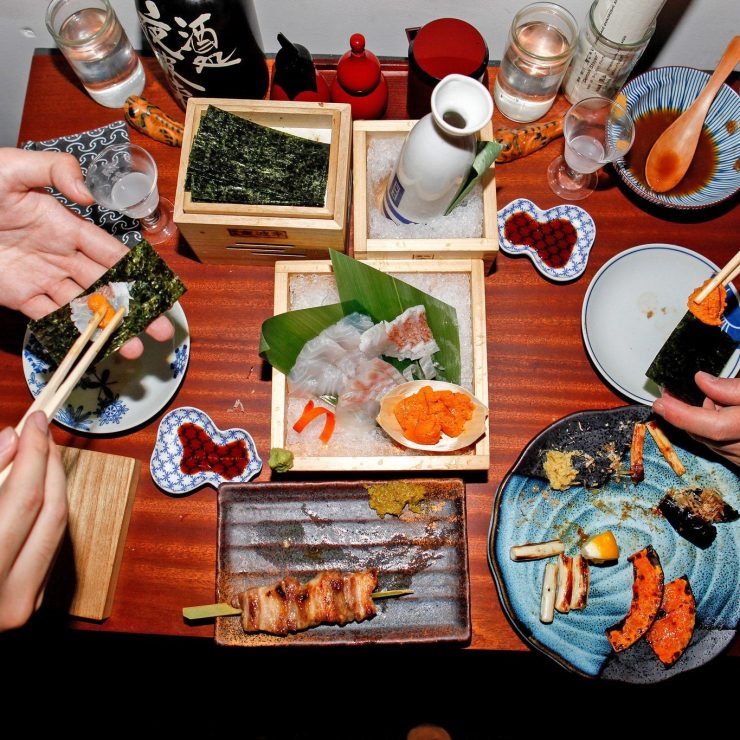
- Yakitori by the stick — the house standard: momo (thigh), negima (chicken and leek), tsukune (meatball), and the brave cuts for the curious; the grill-side salt (shio) beats sauce for first visits.
- Jeremy-style sides: grilled duck, fried tofu, cabbage refills, and the legendary jabara-style plates that regulars guard.
- The drinks: draft beer in frosted mugs, highballs, or otsukaresama chuhai — the toast is literal here (etiquette rules below).
- The untranslatable one: each stall has a specialty the owner will point to — trust the pointing; the otoshi (small starter plate that arrives automatically, charged like a cover) is part of the ritual.
🏮 Lane Etiquette: The Six Rules
- Sit where pointed — counters seat six; crowds shuffle, and the shuffle is the charm.
- Order first round fast — beer for everyone, skewers after; the grill is slow food done fast.
- The otoshi arrives automatically — it is charged (a few hundred yen); eat it, it is excellent, and it is not a scam.
- Photograph politely — ask once, shoot without flash; the owners are used to cameras but the regulars deserve their dinner.
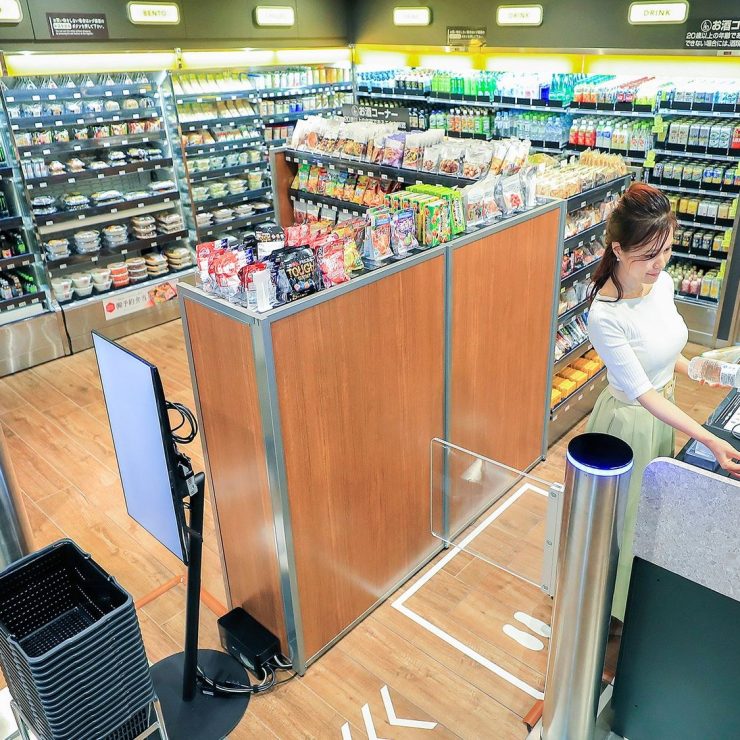
- Cash for the bill — most stalls tally on paper and take notes; keep small bills (ATM strategy: konbini guide).
- Smoke happens — the lanes are open-air and ashtrays are real; if smoke is a dealbreaker, sit near the lane mouths and eat early (opens from late afternoon, busiest 19:00–22:00).
🗺️ The Omoide Night Route from the Hotel
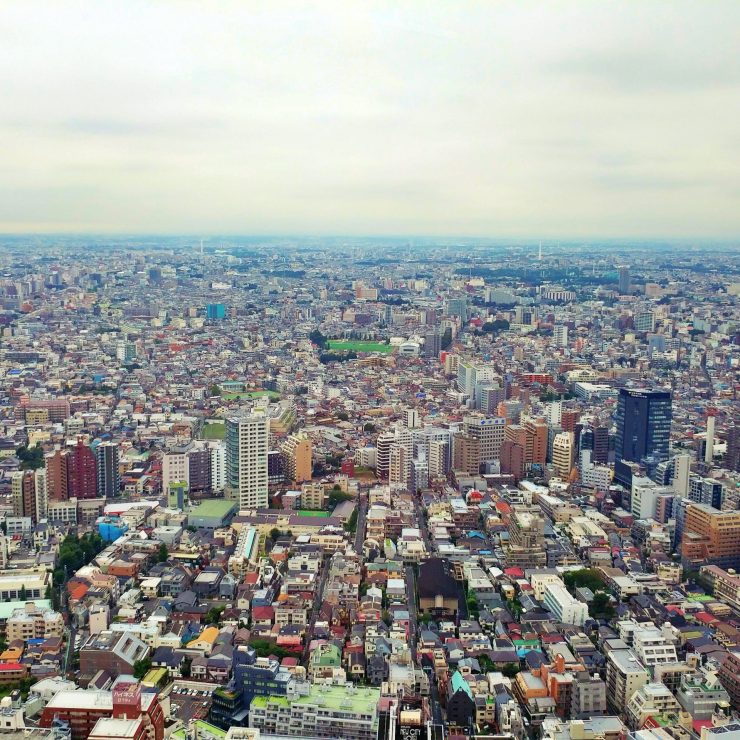
The walk is the transition: leave the quiet east side (the hotel’s block), cross into Shinjuku Station’s west exit, and the lane glows behind the tracks — 1.4 km total, about 18 minutes on foot, one subway stop plus a short walk if tired. Pair it as the locals do: the free sunset deck first, then the lane’s first skewer at dusk; or fold it into the full neon circuit with Kabukicho and an izakaya lesson on the way home.
💡 Practical Notes
- Timing: stalls generally open late afternoon and hum from 18:00; solo travellers fit best before 19:00 or after 21:00.
- English: menus are often picture-based; pointing works, and a translation app finishes the conversation.
- Budget: skewers add up happily — a generous evening of food and drink runs modestly per person by Tokyo standards.
- Clothes: the smoke is part of the memory; wear the washable jacket, not the silk.
- Alternatives in the family of lanes: if the alley feels too tight, the neighbouring arcades and standing bars around the station keep the spirit with more elbow room (the food guide covers the wider map).
❓ Frequently Asked Questions
Is Omoide Yokocho touristy?
It is famous and popular, but it never became a theme park — the counter shuffle, the smoke and the handwritten bills are the real, functioning lane; go at off-peak hours for the quietest seats.
How far is it from the hotel?
About 1.4 km — an 18-minute walk via Shinjuku Station’s west exit, or one Marunouchi Line stop plus a few minutes on foot.
Can I pay by card or Suica?
Some stalls accept IC cards, many are cash-first — carry yen notes; the IC card guide covers charging, and konbini ATMs restock you downstairs from the hotel.
What if I do not eat chicken?
The lane’s grills also turn out vegetables, tofu, seafood and duck — point at what looks good; vegetarians eat well at the stalls that grill vegetables first (say yasai).
🏮 The Bottom Line
Omoide Yokocho is Tokyo’s memory lane in the literal sense: postwar stalls, railway rhythm, grilled smoke and red lanterns, all 1.4 km from your quiet east-side hotel. Go at dusk, bring cash, order the thigh skewers — and let the trains keep time. 🍻