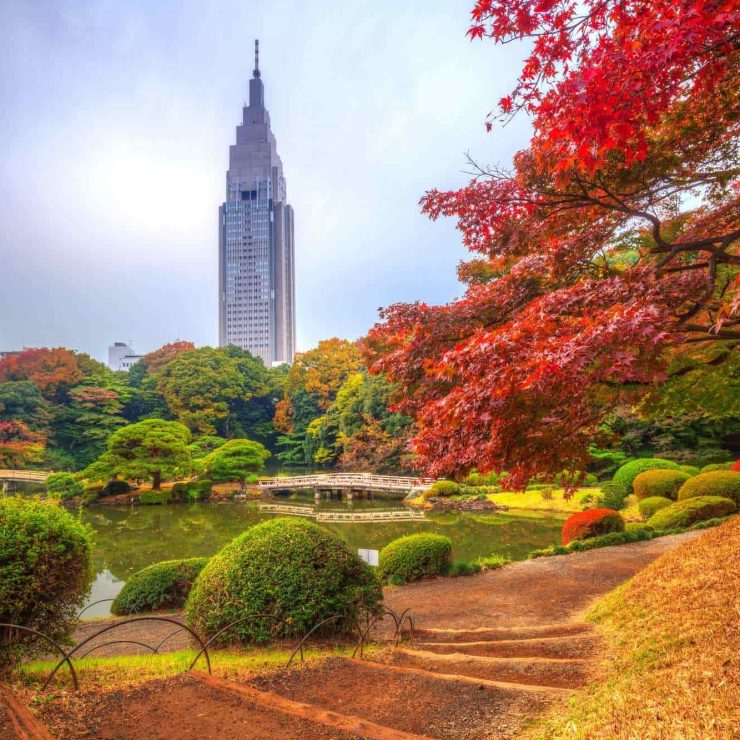

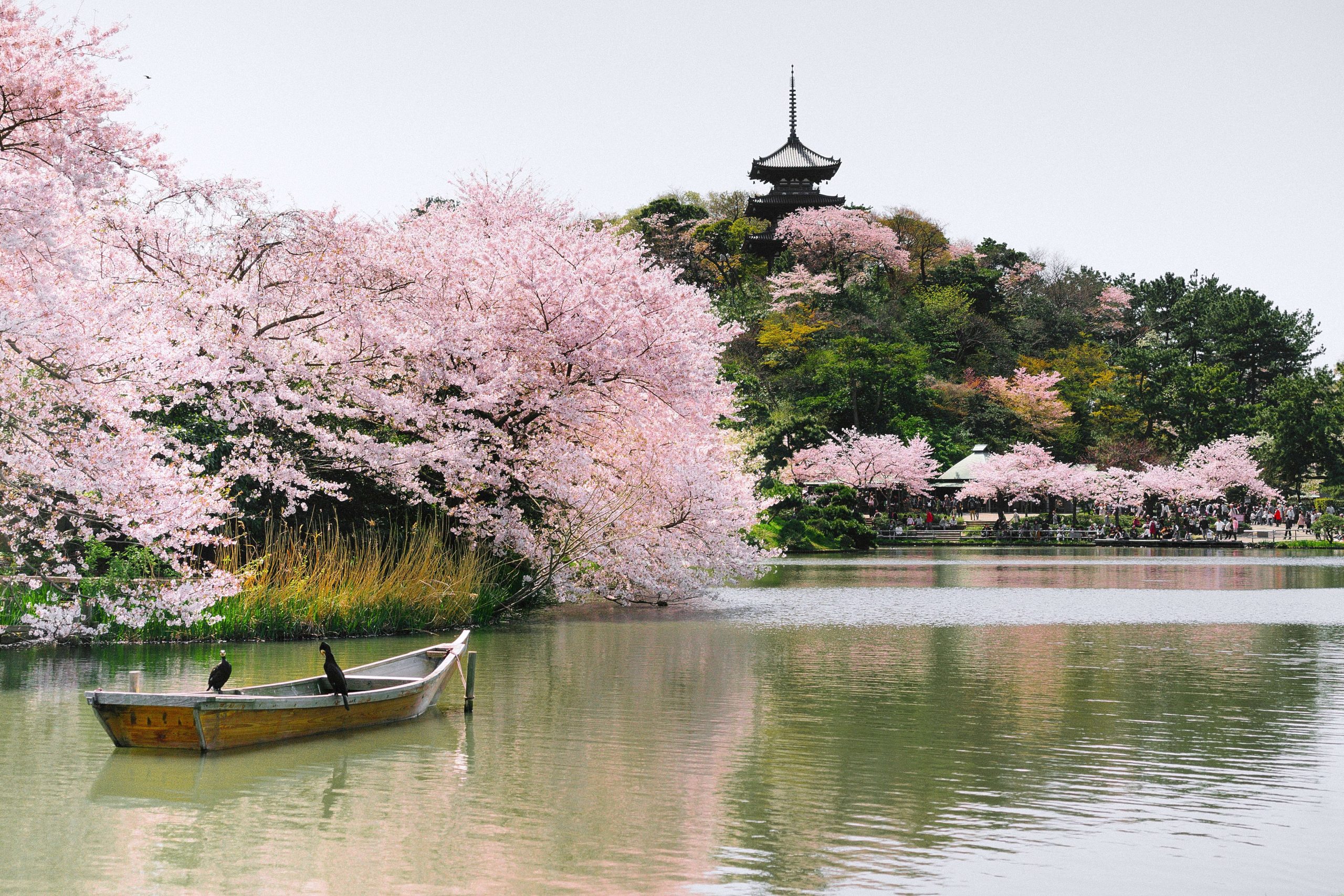
Publishing this in December is deliberate: the travellers who see Tokyo’s cherry blossoms well are the ones who booked in winter. Sakura season — late March to early April, plus a week of hope either side — is Japan’s most famous spectacle and its most schedule-sensitive, and guests of Citadines Shinjuku Tokyo hold one of the best addresses in the city for it: Shinjuku Gyoen, 470 metres away, with over a thousand cherry trees. Here is the planning guide, bloom-day routine included. 🌸
📅 The Forecast System (Read This First)
Japan tracks the bloom like a national sport: from January, weather services publish cherry blossom forecasts (“somei-yoshino opens in Tokyo around late March, full bloom early April”) and update them weekly. The vocabulary you need:
- Kaika — first bloom: a few pioneer trees open; atmosphere great, spectacle not yet.
- Mankai — full bloom: the canopy goes white-pink; the postcard days, typically about a week after first bloom.
- Kaze-hana (“flower wind”) — petals falling like snow: arguably the most romantic week, and the emptiest parks.
Tokyo’s window shifts a few days yearly; the move is to book refundable dates spanning the last week of March into the first week of April, then adjust by forecast (booking logic below).
🌳 Why Gyoen Is the Right Home Base
The five-minute walk from the hotel buys the city’s most civilised hanami:
- Over a thousand trees across varieties — somei-yoshino waves plus late and early cultivars, which stretches the season: when one wave falls, another opens.
- Space to picnic — Gyoen’s lawns accept blankets and baskets (the one rule: no alcohol); the park guide covers the ground game.
- Entry fees, calm crowds — a modest gate fee filters the crush that floods free parks; mornings inside are glass-still.
- The home-court routine: konbini breakfast → Gyoen at opening → picnic lunch under the canopy → afternoon nap → repeat.
🗺️ The Wider Sakura Map from Shinjuku
| Spot | Character | From the hotel |
|---|---|---|
| Shinjuku Gyoen | The civilised classic — space, varieties, picnics | 470 m — five minutes |
| Yoyogi Park / Meiji Shrine | The free, festive, lantern-lit party side | Two JR stops from Shinjuku |
| Chidorigafuchi | Boating under petals on the Imperial moat | Marunouchi Line ride |
| Nakameguro canal | The evening lantern promenade | A train journey — worth one evening |
| Shinjuku’s street trees | Unexpected blossom pockets on the walk home | Everywhere, free |
🧺 The Bloom-Day Routine (Tested by Generations)
- 07:30 — konbini breakfast downstairs, eaten facing the morning’s forecast.
- 08:30 — Gyoen at opening: the canopy before the crowds; the ¥100 shop picnic mat earns its price here.
- 11:30 — picnic lunch from the supermarket run: onigiri, fried chicken, fruit, tea (alcohol stays home for Gyoen).
- 14:00 — the nap or the museum: sakura days are marathon days; the studio’s tub handles recovery (the laundry room handles the picnic blanket).
- 17:30 — the evening variant: Yoyogi’s lantern party or Nakameguro’s canal for the night-bloom experience, then the 18-minute walk home.
🎫 Booking Strategy: The Winter Checklist
- Book rooms early — Tokyo fills for sakura weeks months ahead; the earlier the booking, the better the room (the rooms guide becomes relevant in December).
- Choose refundable rates spanning late March–early April; adjust with the January–March forecasts.
- Flights and passes follow the same logic; the arrival logistics are already mapped (airport guide).
- Pack layers: hanami season swings between coat and T-shirt weather; the laundry room keeps the suitcase light.
🗓️ A Five-Night Sakura Week, Day by Day
The arc that worked for past guests, all from this door: Day 1 — arrive, IC card (setup), konbini dinner, forecast check. Day 2 — Gyoen at opening, the season’s first full walk, picnic lunch under the canopy (park rules). Day 3 — Chidorigafuchi’s moat boating in the morning, the deck at sunset. Day 4 — Yoyogi’s lantern party by day, Nakameguro’s canal by evening, late walk home. Day 5 — the petal-snow morning (kaze-hana) back in Gyoen, souvenir snack run (the trail), departure with bags stored free. Five nights covers every format the season offers — canopy, moat, party, canal, petal wind — without a single rushed morning. 🌸
❓ Frequently Asked Questions
When exactly do cherry blossoms open in Tokyo?
Typically first bloom in late March, full bloom around early April — shifting days each year; the national forecasts from January are your source of truth.
Is Shinjuku Gyoen good for hanami?
One of the best in Tokyo — 1,000+ trees, picnic lawns (no alcohol), and morning calm five minutes from the hotel; late-blooming varieties stretch the season.
Do I need to book the park?
No reservations — the gate fee and early arrival handle it; the “booking” that matters is your room, months ahead.
What if I miss full bloom?
You catch kaze-hana — the petal-snow week — which locals quietly prefer, or the late varieties in Gyoen; either way, bring the picnic.
🌸 The Bottom Line
Sakura rewards planners: a winter booking, a March forecast watch, a picnic kit and an alarm clock. The hotel’s address turns the whole season into a five-minute walk — book the studio now, and let spring do the rest. 🎌