
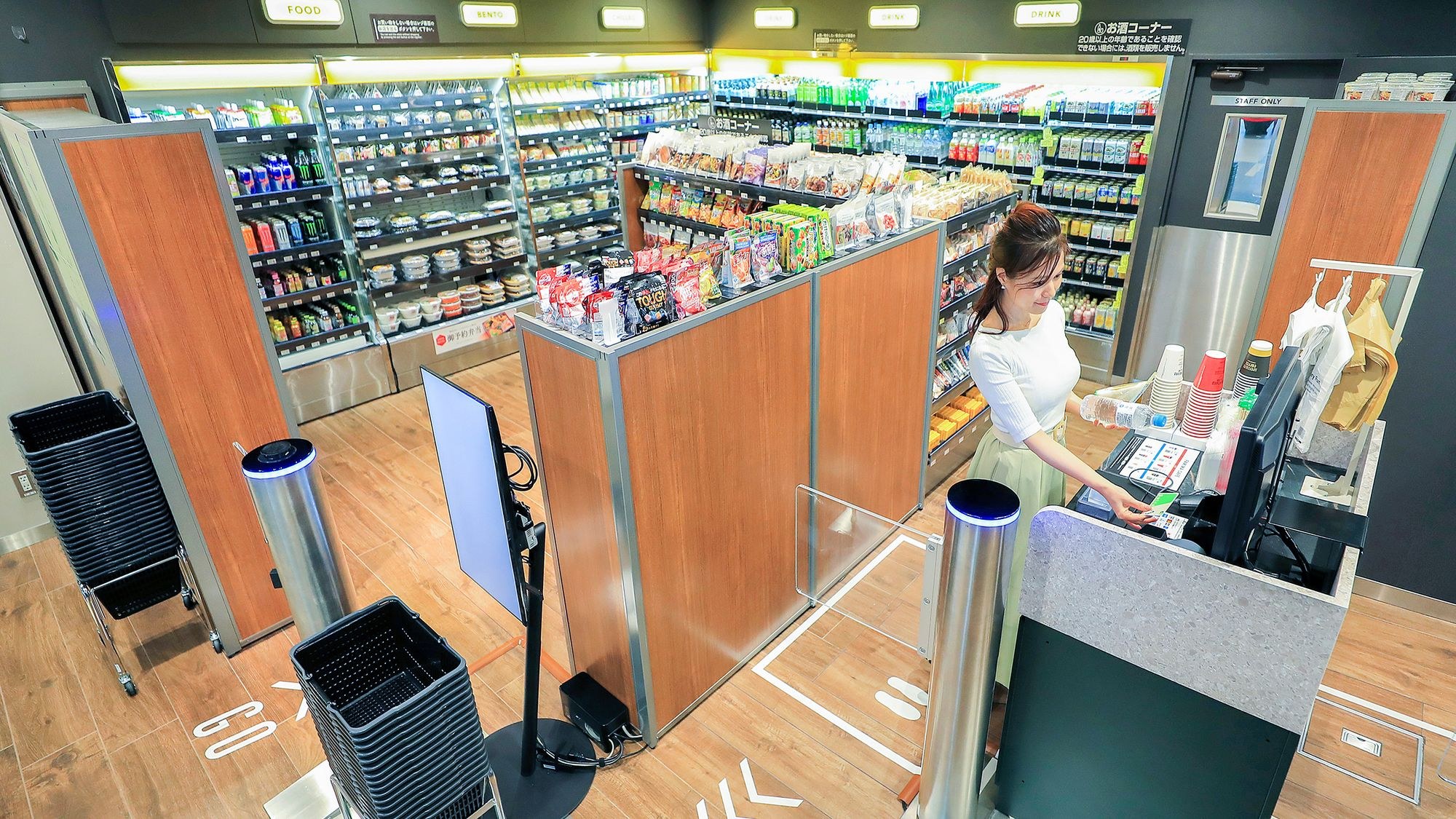
The Japanese convenience store — konbini — is the country’s most underrated institution: fresh food that puts Western supermarkets to shame, 24-hour everything, and services from ATM to ticket counter. Guests of Citadines Shinjuku Tokyo have a 7-Eleven effectively downstairs and the full trio (7-Eleven, Lawson, FamilyMart) within a few minutes’ radius — this manual covers what to buy, what to skip, and the daily routines the konbini quietly powers. 🏪
🏠 The Home Turf: Your 7-Eleven Downstairs
A few metres from the hotel door, the neighbourhood 7-Eleven runs the classic konbini playbook: onigiri and sandwiches built fresh daily, the legendary egg sando, hot drinks from the coffee machine at pocket-change prices, bento and salad shelves, sweets, beer and non-alcoholic everything — 24 hours a day. It is the backbone of the kitchenette breakfast routine and the midnight recovery stop after long neon nights.
🆚 The Big Three, Honestly Compared
| Chain | Known for | Guest tip |
|---|---|---|
| 7-Eleven | The best egg sandwich, strong coffee, reliable ATMs | Your default — it is downstairs |
| Lawson | Fried chicken (karaage-kun), natural Lawson healthy line, dessert game | The afternoon snack run |
| FamilyMart | Famichiki chicken, ice cream, sturdier hot food | The evening bento sweep |
Try all three across the week — the differences are small and the opinions you form are half the fun. Konbini food quality is a genuine national pride: the egg sandwich argument is a real argument among Tokyo residents.
🍱 The Konbini Meal System
- Breakfast: onigiri + yoghurt + fruit + coffee — eaten at the kitchenette or carried to the Gyoen lawns.
- The picnic build: rice balls, fried chicken, drinks, and dessert for the park; no-alcohol rules apply (picnic kit: the park guide).
- The midnight plate: instant ramen upgraded with egg and green onion back in the room — the jet-lag classic (recipe logic: kitchenette guide).
- The travel day: ekiben-style bento and drinks for the day trips — konbini food on trains is a Japanese institution, not an apology.
💳 Money and Services Hidden in the Back
- ATMs that accept foreign cards — 7-Eleven and FamilyMart machines are the standard advice for visitors; restock cash for the cash-first lanes (why cash matters: 思い出横丁).
- IC card top-ups — charge Suica/Pasmo at the register (card setup: IC guide).
- Freepaper stamps and point apps — the loyalty games are optional; the staff will show you the barcode if curious.
- Tax-free note: small konbini runs rarely cross the ¥5,000 minimum — the big-haul tax-free mechanics live in the tax-free guide.
- Copies, courier drops, event tickets — the multifunction copier handles printing; the counter handles parcels — long-stay guests use both (long-stay guide).
⏰ The Timing Rules That Make Konbini Magic
- New meal drops several times daily — morning restock and evening (around 17:00–18:00) refills bring the freshest shelves.
- The evening discount sweep: supermarkets do half-price stickers, but konbini bentos get their own markdowns late evening — the budget dinner window.
- Seasonal rotations are real events: sakura desserts in spring, limited sweet ranges in summer, the winter warm-shelf (oden, hot drinks) — watch the centre aisle.
- Trash discipline: eat or dispose neatly — bins exist but sorting etiquette is expected (hotel bins: ask the front-desk-serviced routine).
🍙 The Onigiri Field Guide
The onigiri shelf deserves its own map, because it is the konbini’s soul: salmon (sake) — the dependable classic; tuna mayo (sea chicken) — the crowd favourite and the one visitors re-buy daily; umeboshi — sour pickled plum, the traditionalist’s pick; kombu and shio-musubi — minimal, elegant, for purists; 10-grain rice and brown-rice versions — the healthy-line upgrade at Lawson; and the seasonal limited editions that rotate like football transfers. Technique matters: the triangular wrapper is a pull-strip that separates the seaweed from the rice so the nori stays crisp — pull the centre tab down, then fold the sides; a decade of locals will notice you doing it right. Price: ¥110–200 each. Two onigiri plus the coffee machine is the complete breakfast — ninety seconds, under ¥500. 🍙
❓ Frequently Asked Questions
Is there a convenience store near the hotel?
Effectively downstairs — a 7-Eleven sits a few metres away, with the wider trio within a few minutes’ radius; the kitchenette breakfast starts there.
Can I use foreign cards at konbini ATMs?
Yes — 7-Eleven and FamilyMart ATMs reliably accept international cards; that is the standard cash-restock advice for Tokyo visitors.
What is genuinely worth eating?
The egg sando, onigiri variety, karaage-kun, seasonal sweets and the fresh coffee — the “konbini food is great” reputation is earned, not marketing.
Do konbini accept Suica?
Everywhere — tap the card (or phone wallet) at the register for food, drinks and top-ups alike (the card guide covers setup).
🏪 The Bottom Line
The konbini is the infrastructure of a good Tokyo stay: breakfast in ninety seconds, cash when the lanes need it, snacks for the park, and dessert at any hour. You have one downstairs — use it like a local, and it will feed half your memories. 🍙